

Residential air conditioning system
A sudden spike in a summer electricity bill can be jarring. But sometimes the reason is as simple as an AC unit that’s been working harder. If your thermostat setting hasn’t changed but the bill has, take a peek at your air conditioner after dinner. If the outdoor fan is still running after the rest of the house is quiet, that is a big clue, particularly if it used to shut off a lot earlier.
During a service call, it’s useful to have copies of bills for the last month or two, so you can compare usage and correlate with a heat wave, an updated schedule, or a unit that’s running longer than normal.
Indoor Clues
When an AC technician visits, there’s no need to wait. You can do a quick walk-through of your home to identify clues. A room feels humid around the supply register? A return register is covered in lint? Your thermostat shows the same temperature for hours? These things will help narrow the issues.
Also, keep track of any rooms that seem hotter than others. Note when the unit turns on and off, and if the air coming out of the register feels less forceful than it did earlier in the summer.
Outdoor Checks
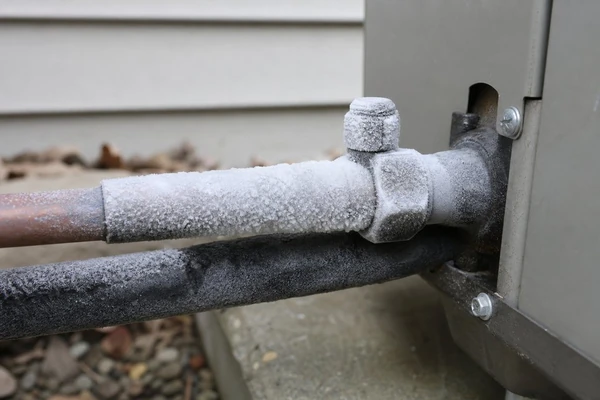
Outdoor air conditioning equipment
There are also clues you might spot outside. Is there ice forming on the insulated refrigerant line near the condenser? Even if the ice melts before you notice it, let your technician know. A line that’s getting cold could mean poor air flow, a refrigerant problem, or something else preventing your system from properly cooling the home.
Filter Condition
Filters can look fine under a light bulb and still be too restrictive for an AC unit. If the filter is thick or bowed in; https://www.cnet.com/home is the page that actually explains it, or if the back side is covered in a thin layer of brown dust, bring it up during your visit.
Diagnostic Tests
An inspection can be a lot more comprehensive than just looking for a loud motor or squeaky belt. Your AC technician can test the pressures, temperature drops, amp draw, airflow and other components in the condenser cabinet. A failing capacitor, for instance, may result in the compressor having a difficult time starting or running, which can result in longer running times. And that small part is easy to miss behind the cover plate, next to the wiring and the faded diagram.
Another important area to inspect is the condensate drain line. A partial clog can leave water sitting in the drip pan, trip a high-limit switch or leak around the indoor unit. Your technician might see algae growth around the drain opening or water stains around the blower access door. Cleaning the drain line can prevent an unnecessary shutdown; the practical side of service call starts there.
This is overkill if you can clearly correlate the increase in your bill to something like a new major appliance or a house full of visitors for weeks. Still, you should investigate any unusual behavior in your air conditioning system.
Attic and Appointment
In a hot attic, leaking ductwork can result in a significant amount of cooling being lost before it reaches the bedroom registers. During the inspection, the technician may look for loose connections, crushed flexible duct, black dust trails around joints, or damaged insulation near electrical boxes. Loose ductwork can release cooled air into the attic while the thermostat continues to demand more cooling.
Have a list ready of changes you’ve noticed:
- Did the thermostat’s schedule or temperature change?
- Did you get new curtains, paint, add a room or close doors permanently?
- Did a door start leaving a gap? Was the weatherstripping torn?
- Was a new type of filter used? When was the last time it was changed?
- Was the outdoor unit running continuously one night?
Service Call Notes
A bill with an unusually high number doesn’t tell you why. Your appointment should include the dates for your bill, what the thermostat is supposed to be set to, and what you’ve noticed: ice on the line, water near the unit, a weak breeze from a room’s register or a fan that’s still spinning in the evening. Keep these notes handy when you bring the bill to the technician.
