
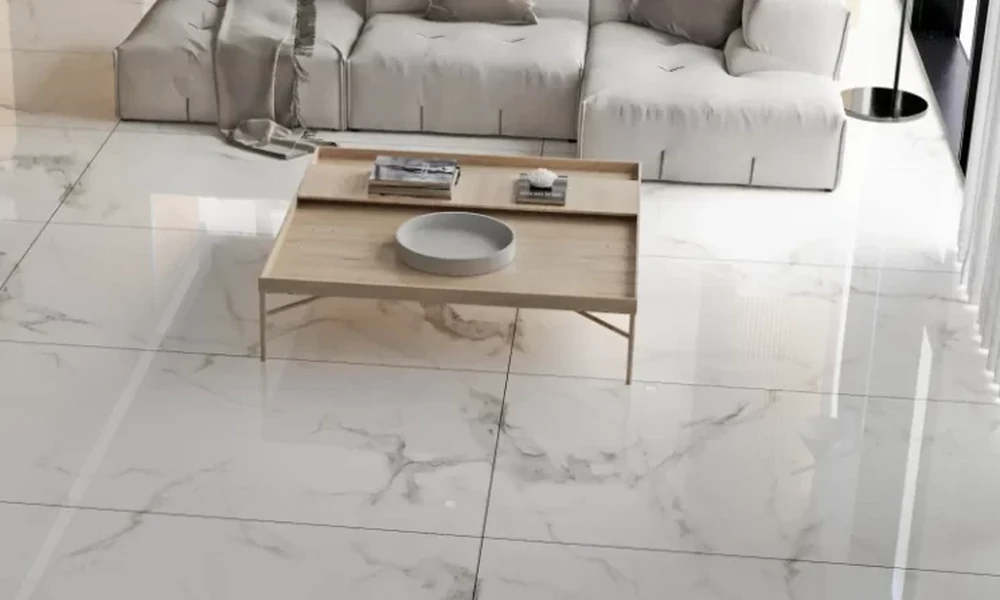
A single pattern underfoot can change a room’s entire character. From airy bathrooms to lively kitchens, ceramic tile patterns do more than just cover a surface, they shape how we experience a space, both consciously and subconsciously.
What Are Ceramic Tile Patterns and Why Do They Matter?
Ceramic tile patterns refer to the deliberate arrangement of tiles in repeating or complementary sequences. These can range from classic straight-lay grids to dynamic herringbone or bold geometric mosaics. While it might appear a simple design choice, the pattern you select serves as a silent designer, working behind the scenes to affect how large, intimate, energetic, or calm a room feels.
Patterns do more than add interest. They guide the eye, direct movement, and create rhythm. For example, a vertical stack elongates, making ceilings seem higher, while a diagonal pattern stretches a small room, adding a sense of spaciousness.
How Do Different Tile Patterns Change a Room’s Feel?
A well-chosen tile pattern can visually expand a cramped apartment or inject life into a neutral space.
– Patterns That Make Spaces Appear Larger: Diagonal layouts or wide planks arranged in a staggered brick pattern can trick the eye into perceiving more square footage. A chevron design draws attention outward, giving compact rooms a roomy illusion.
– Patterns That Add Warmth and Coziness: Basketweave and checkerboard motifs, especially in muted tones, invite comfort. These designs break up large, cold expanses, making living rooms or bedrooms feel more inviting.
– Patterns That Create Energy and Movement: Herringbone, zigzag, and bold geometric tiles bring dynamic energy. Used as an accent wall or kitchen backsplash, these patterns spark visual interest and activity without overwhelming.
Which Ceramic Tile Patterns Suit Various Room Types?
Matching the right pattern with the room’s function elevates both form and experience.
Bathrooms: Achieving Serenity and Cleanliness
Subtle patterns, like simple subway layouts or gentle mosaics, evoke calm and cleanliness, the hallmarks of a spa-like bath. Pale shades and minimal grout lines further enhance the tranquil vibe.
Kitchens: Balancing Functionality and Style
Kitchens benefit from patterns that are both resilient and expressive. Herringbone backsplashes or hexagonal floor tiles introduce flair, while still holding up against daily spills and traffic. The goal is a blend of personality and practicality.
Living Areas: Enhancing Comfort and Flow
Larger living spaces thrive with patterns that create flow. Staggered planks mimic hardwood floors, while broad grid layouts keep things modern and uncluttered. The right tiles anchor furniture and define conversation areas without walls.
How Does Color Interact with Tile Patterns to Influence Mood?
Color and pattern exist in a delicate dance. High-contrast combinations (like white and navy in a chevron) create drama and structure, ideal for contemporary settings. Tonal or analogous shades, on the other hand, soften edges and promote relaxation.
Color can also highlight or downplay a pattern. Bright tiles in an energetic layout draw attention, becoming the room’s statement piece. Muted, monochrome patterns blend quietly, supporting art, furniture, or architectural features instead.
What Should Be Considered When Choosing a Tile Pattern?
A pattern’s impact goes beyond aesthetics. Consider these factors:
– Room Size and Natural Lighting: Small rooms benefit from lighter, diagonal, or vertical patterns, while expansive spaces can handle darker, busier designs.
– Furniture and Overall Interior Style: The tile should complement, not clash with, existing decor. For instance, ornate patterns work best in minimalist settings.
– Practicality and Maintenance: Some patterns require more frequent cleaning or careful grout color selection. Think about everyday upkeep before deciding.
How Can You Mix and Match Ceramic Tile Patterns Effectively?
Mixing patterns is possible, when done thoughtfully. The trick is to maintain balance. Choose one bold pattern and pair it with more subdued designs. For example, a vibrant encaustic floor tile with subtle subway wall tiles keeps things interesting, not chaotic.
Transitional spaces like entryways or hallways are perfect for bolder statements. These high-traffic zones benefit from durable, eye-catching tiles that set the tone for the rest of the home.
What Are the Latest Trends in Ceramic Tile Patterns?
Current trends include oversized tiles in soft, organic patterns that mimic stone or wood. These provide a sense of calm and sophistication while remaining easy to clean. Geometric and art deco motifs are also resurging, bringing a playful yet polished energy.
Still, timeless classics, like herringbone and basketweave, endure. They adapt to changing tastes, always offering elegance without becoming dated.
How to Experiment Safely with Bold Ceramic Tile Patterns
Not ready to commit to an entire room? Use samples or visualizer tools to preview patterns at scale. Many showrooms, such as Club Ceramic Montreal, offer digital visualizers that overlay patterns on photographs of your space, helping you picture the final result.
Start small, a powder room floor, a kitchen backsplash, or a fireplace surround. These areas allow you to play with bold designs in doses, building confidence before you embrace patterns in larger rooms.
Ceramic tile patterns are more than decoration. They are powerful tools that influence how a space feels, functions, and inspires. Thoughtful choices unlock rooms that not only look beautiful but feel just right.
