
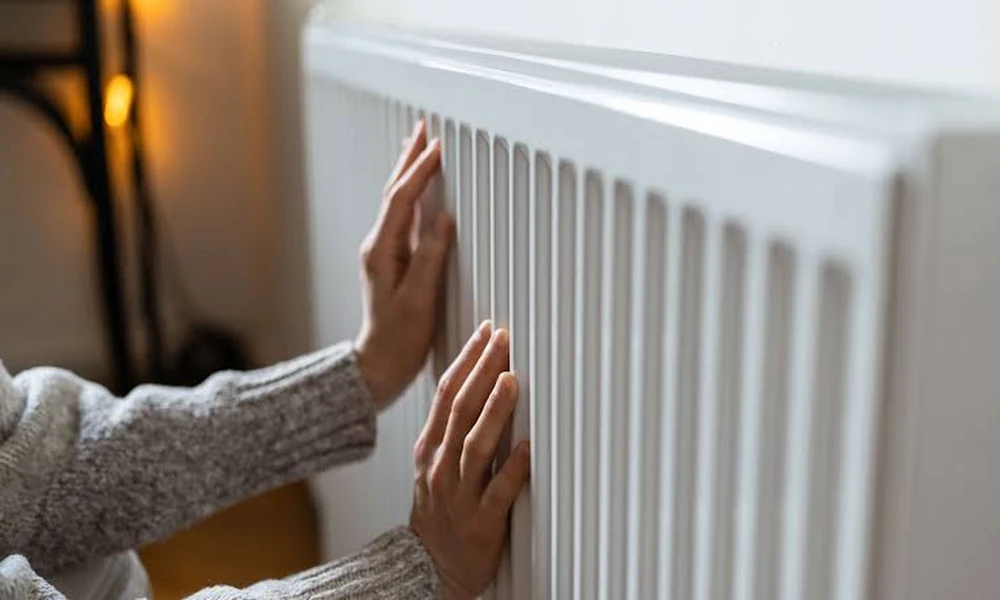
When heating or cooling costs climb without a clear reason, or rooms never quite reach a comfortable temperature, the HVAC system is often the source. Small problems can grow into larger inefficiencies that waste energy and leave occupants dissatisfied. Catching these issues early usually costs less than waiting for a complete breakdown.
Homeowners seeking HVAC services in Duluth, GA, can benefit from recognizing the common warning signs that point to needed repairs. Understanding what these symptoms mean helps decide when professional attention is the practical next step rather than continued tolerance of poor performance.
Uneven Temperatures Throughout the Home
One of the most noticeable signs of trouble is inconsistency from room to room. Some areas may feel too warm while others stay cool, or certain zones may take far longer to reach the thermostat setting. This pattern often points to restricted airflow, failing components, or duct problems that prevent conditioned air from circulating properly.
Blocked or dirty filters, closed or obstructed vents, and deteriorating duct connections can all contribute. When the system must work harder to compensate for these imbalances, energy use rises and comfort declines. Checking simple items such as filter condition and open vents is a useful first step, but persistent unevenness usually requires a closer look at the equipment itself.
Rising Energy Bills Without Increased Use
A steady increase in heating or cooling costs, even when outdoor temperatures and household habits remain similar, frequently signals declining system efficiency. Components that are wearing out, refrigerant levels that have dropped, or motors that no longer run at full capacity force the system to operate longer to achieve the same result.
Tracking monthly utility statements over successive seasons makes these trends easier to spot. When bills climb while usage patterns stay consistent, the HVAC system deserves attention. Addressing the underlying cause often restores more predictable operating costs.
Unusual Noises or Odors
HVAC systems normally operate with a relatively steady and predictable sound. New rattling, grinding, squealing, or banging noises can indicate loose parts, failing bearings, or debris inside the unit. Ignoring these sounds risks further damage to connected components.
Unusual odors also warrant attention. A burning smell may point to electrical issues, while a musty scent can suggest moisture problems or microbial growth inside the system. Persistent or strong odors should not be dismissed, as they may affect both equipment performance and indoor air quality.
Frequent Cycling or Continuous Operation
Short cycling-when the system turns on and off repeatedly in short intervals-prevents efficient operation and increases wear. Continuous running without reaching the set temperature is equally concerning. Both patterns suggest the system is struggling to meet demand because of sizing mismatches, restricted airflow, low refrigerant, or failing controls.
These behaviors not only raise energy use but also shorten equipment life. Noting how often the system starts and stops, and whether it ever fully satisfies the thermostat, provides useful information when discussing the problem with a technician.
Reduced Airflow and Weak Performance
Weak airflow from supply vents is another practical indicator that something is wrong. Restricted filters, blocked return paths, failing blower motors, or collapsing duct sections can all limit the volume of air the system moves. When airflow drops, the equipment must run longer to deliver the same amount of heating or cooling.
Homeowners can check that filters are clean and that furniture or curtains are not blocking vents. If airflow remains weak after these simple checks, the issue likely lies deeper in the system and benefits from professional diagnosis.
Practical Signs Worth Monitoring
Keeping track of a few observable conditions helps identify developing problems before they escalate:
- Rooms that never reach the thermostat setting despite continuous operation
- Energy bills that rise while outdoor temperatures and household routines stay similar
- New or worsening mechanical noises during startup or operation
- Persistent musty, burning, or unusual odors near the equipment or vents
- Noticeably weaker airflow from supply registers
- Visible moisture, frost, or leaks around indoor or outdoor units
Recording when these symptoms appear and how they change over time gives technicians clearer information and often shortens the diagnostic process.
When Professional Diagnosis Becomes Useful
Basic filter changes and vent checks fall within the range of ordinary homeowner maintenance. More complex issues-such as refrigerant problems, electrical faults, control failures, or internal component wear-require specialized tools and training. Attempting repairs without the proper knowledge can create safety risks or additional damage.
Persistent comfort problems, unexplained energy increases, or any signs of electrical or moisture issues are practical reasons to seek trained evaluation. For households considering HVAC services in Duluth, GA, local climate conditions that include humid summers and occasional cold snaps place extra demand on systems, making timely attention especially relevant.
Balancing Repair Against Longer-Term Decisions
Not every problem justifies immediate replacement. Many issues respond well to targeted repairs that restore efficient operation. At the same time, repeated failures on older equipment or problems that stem from fundamental design limitations may point toward eventual system replacement as the more practical path.
An objective assessment that identifies the root cause helps clarify whether repair or a broader solution makes the most sense. This information supports clearer budgeting and planning rather than reacting only after a complete failure.
Conclusion
Rising energy bills and inconsistent comfort often stem from identifiable HVAC problems such as restricted airflow, worn components, refrigerant issues, or duct deficiencies. Recognizing uneven temperatures, unusual noises, frequent cycling, and steady cost increases allows homeowners to address issues before they grow more expensive.
Monitoring these signs and seeking qualified evaluation when they persist remains a practical approach. Homeowners who act on clear performance changes rather than waiting for total failure typically protect both comfort and operating costs more effectively when arranging HVAC services in Duluth, GA.
