
A roof is the part of a building that owners see least and assume most about. Because it is out of sight, small defects go unnoticed until water appears on a ceiling, by which time the damage has been developing for months. Prompt roof repair is nearly always cheaper than the consequences of waiting, and in a climate of intense sun and sudden heavy rain, minor faults deteriorate quickly. These are the problems that deserve attention as soon as they are spotted.
Cracked, Slipped and Missing Tiles
Clay and concrete tiles are durable but brittle. They crack under foot traffic, falling branches and thermal movement, and they slip when the fixings or battens beneath them fail. A single displaced tile exposes the underlay, which is not designed to cope with direct rain for long. From the ground, look for uneven lines, gaps or fragments in the gutter. Replacing a few tiles early is simple work. Leaving them allows water to rot the battens and spread the fault.
Failed Flashings and Sealant
Most leaks begin at junctions, not in the open field of the roof. Flashings seal the meeting points between the roof and walls, chimneys, skylights, vents and parapets. Metal flashings corrode or lift, and sealants harden and split after years of ultraviolet exposure. Because water can travel along a rafter before dripping, the stain inside may be some distance from the entry point. Any inspection should concentrate on these details before assuming that the roof covering itself has failed.
Blocked Gutters and Downpipes
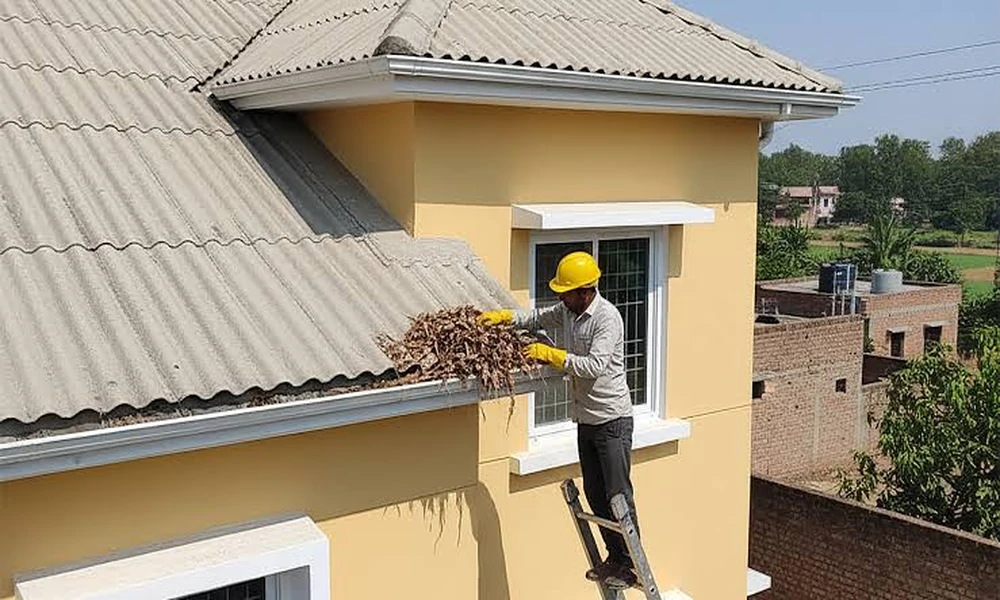
Gutters choked with leaves and silt overflow in heavy rain, sending water behind fascia boards and down external walls. Standing water in a blocked gutter also breeds mosquitoes, which can attract a penalty from the environmental authority. Sagging sections, rusted joints and loose brackets make matters worse. Clearing gutters is routine maintenance that many owners neglect because it requires working at height. It should be done regularly, and more often where trees overhang the roof.
Problems Found Before Solar Work
Roof defects frequently come to light when an owner begins planning for solar panels. A survey ahead of a project to install solar panel singapore will often reveal cracked tiles, tired membranes or corroded sheets that had gone unnoticed. Those findings should be acted on, not deferred. Once an array covers the roof, access becomes difficult and costly, and new fixings through a weak covering multiply the risk of leaks. Putting the roof right first protects both investments.
Ponding and Membrane Failure on Flat Roofs
Flat roofs depend on a continuous waterproof membrane and adequate falls to the outlets. When outlets block or the surface settles, water ponds, and standing water finds any weakness in laps and upstands. Blistering, cracking and lifting at the edges are signs that the membrane is ageing. Damp patches on the ceiling below, or efflorescence on walls, confirm that water is getting through. Localised patching can extend the life of a sound membrane, but widespread failure calls for renewal.
Corrosion on Metal Roofs
Metal roofing lasts well when its coating is intact. Trouble starts at cut edges, scratches and fixings, where bare steel is exposed. Fastener washers perish, screws back out with thermal movement, and laps lose their seal. Rust that begins as surface staining eventually perforates the sheet. Early treatment involves cleaning, priming and recoating, with replacement of failed fasteners. Once holes appear, the affected sheets generally need replacing, so periodic inspection is well worth the modest cost.
Ceiling Stains and Mould Indoors
Interior signs are often the first that an owner notices. Brown rings on a ceiling, peeling paint, a musty smell or mould in an upper corner all indicate moisture, though not always from the roof. Air-conditioning pipework and plumbing can produce similar marks. Note whether the stain grows after rain, which points to the roof. Do not simply repaint. Covering a stain hides the evidence while timber, plasterboard and electrical fittings above continue to deteriorate.
Leaking Skylights and Roof Openings
Skylights, roof windows, vents and hatches interrupt the roof covering, and each depends on seals and flashings that age faster than the surrounding surface. Rubber gaskets perish, glazing sealant shrinks and the upstands around an opening can crack. Condensation on the underside of the glass is sometimes mistaken for a leak, so observe when the moisture appears. Where an opening has been added after the roof was built, check whether it was properly framed and flashed at the time.
Sagging Lines and Structural Concerns
A roofline that dips, or a ceiling that bows, suggests a problem with the supporting structure. Timber members may have rotted after prolonged wetting or been attacked by termites, and steel members may have corroded. This is no longer a matter of waterproofing alone, and it should be assessed promptly by competent roof contractors or, where the signs are serious, by a structural engineer. Keep people away from the area beneath until the cause has been identified.
Deciding What to Do Next
Check the roof from the ground after heavy rain and look inside the roof space where there is safe access. Photograph anything unusual and note when it appeared. Have a professional inspect any stain, displaced tile, rust or ponding without delay, and ask for the cause to be explained, not just the symptom patched. Agree a written scope before work starts. Then arrange inspections at regular intervals, since faults caught early are small ones.
