
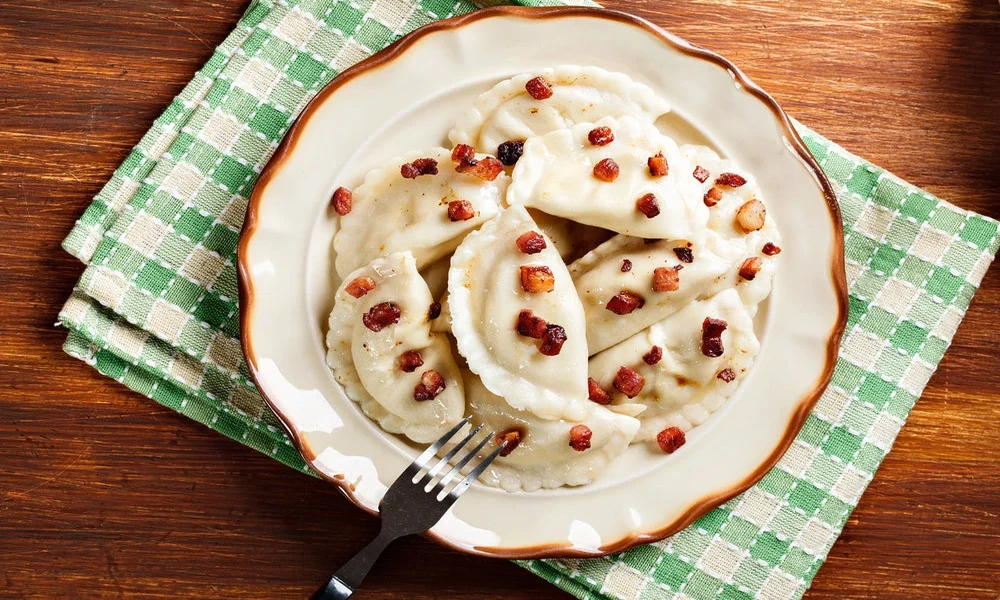
When attendance is uncertain, plan the first serving around confirmed guests and keep additional food uncommitted until you know it is needed. Explain when dinner will happen and what late arrivals can expect. A flexible menu works through clear decisions, not through cooking every available ingredient in the hope that the right number of people appears.
Informal invitations often leave room for uncertainty. A friend may be finishing another commitment, or someone may join only if their evening allows. That can be perfectly workable, provided the host distinguishes a possibility from a confirmed place at dinner. Food planning becomes harder when every “maybe” silently turns into a full additional meal.
Separate confirmed guests from possible arrivals
Write down who has actually accepted and who remains uncertain. This is not a demand for formality; it is a way to see the decision in front of you. The confirmed group determines the first meal plan. Possible guests influence the backup options without automatically dictating how much food you prepare immediately.
Ask for an update at a useful point before cooking, explaining that it helps you plan dinner. A specific request is easier to answer than repeated vague messages about whether someone might come. If an answer still cannot be given, treat that uncertainty as part of the plan rather than pretending it has disappeared.
Learn any relevant food requirements before choosing the menu, including for likely late arrivals where possible. Extra quantity is not useful if the available filling is unsuitable for the person who comes. A smaller set of clearly chosen options can serve the gathering better than a large amount bought without considering who might eat it.
Keep some choices uncommitted until needed
Separate food available to prepare from food already cooked. A frozen uncooked product can remain in its intended storage until you decide to use it, provided you follow its package directions. Cooking the entire purchase removes that particular flexibility and creates a different handling situation for whatever remains.
A host exploring frozen pierogi choices in Cleveland can select fillings with the expected guests in mind. Cheeky Chicken Bites are mini chicken-and-onion dumplings, while the range also describes cheese and plant-based fillings. Those distinctions help define a backup someone would actually want, rather than an anonymous extra bag.
Read the package before deciding that another round will be convenient. Holy Perogy’s products are frozen and uncooked, so a late-serving plan must allow for their actual preparation. Do not promise immediate food solely because a product is small or stored in the freezer. Flexibility still needs realistic equipment and timing.
Make late-arrival expectations explicit
Tell uncertain guests what the invitation means in practice. You might explain that dinner starts at the planned time and that someone arriving later should let you know whether they will want food. That prevents a guest from expecting a full meal when the host has understood the visit as a brief stop afterward.
Avoid promising that hot food will remain on the table indefinitely. Plan appropriate handling for the actual foods and serving conditions, and make a fresh preparation or another suitable arrangement where needed. The social flexibility of an open invitation does not remove the food-handling responsibilities of the host.
Be clear about your own limits. If you cannot reasonably prepare another round after a certain point, say so politely before the evening. Guests can then eat beforehand or choose another arrival time. Honest expectations are kinder than a host who feels obliged to keep cooking while everyone else assumes the meal is finished.
Choose serving dishes that suit a small first round
Use dishes that make the confirmed meal comfortable to serve. A very large platter can encourage you to fill space with unnecessary food, while a suitably sized dish makes the first serving look intentional. You can bring another dish later if attendance changes; the table does not have to display every possibility at once.
Keep varieties identifiable if you offer more than one. Tell guests the actual filling and retain package information for detailed questions. An uncertain head count is not a reason to blur chicken, pork-containing or meatless choices together. The people present should still be able to understand what is being served.
Let accompaniments remain manageable. A side that is easy to portion according to the group may fit better than several elaborate dishes that all require finishing at the same moment. Think about how the first round will be served and cleared, rather than building the whole menu around the largest imaginable attendance.
Communicate when the meal will happen
As the evening develops, give the people present a clear update. If dinner is about to be prepared, say so. Do not leave confirmed guests waiting indefinitely for someone who has not committed to arriving. A meal can be welcoming while still having a recognizable beginning.
Adjust only when new information justifies it. A message confirming another guest may change the next preparation decision. Silence does not. Keeping those responses distinct helps prevent a series of speculative additions that leaves the host managing far more cooked food than the gathering needs.
When it is time to start, look at the people who have arrived and the commitments you can rely on. Prepare their meal with care, leaving the agreed options available for later. A good flexible dinner begins with the actual gathering in the room, then responds thoughtfully if that gathering grows.
