
Key Takeaways:
- Community-driven real estate initiatives are preserving farmland and promoting sustainable living in Snohomish County.
- Remote work trends are increasing demand for suburban housing in areas like Snohomish.
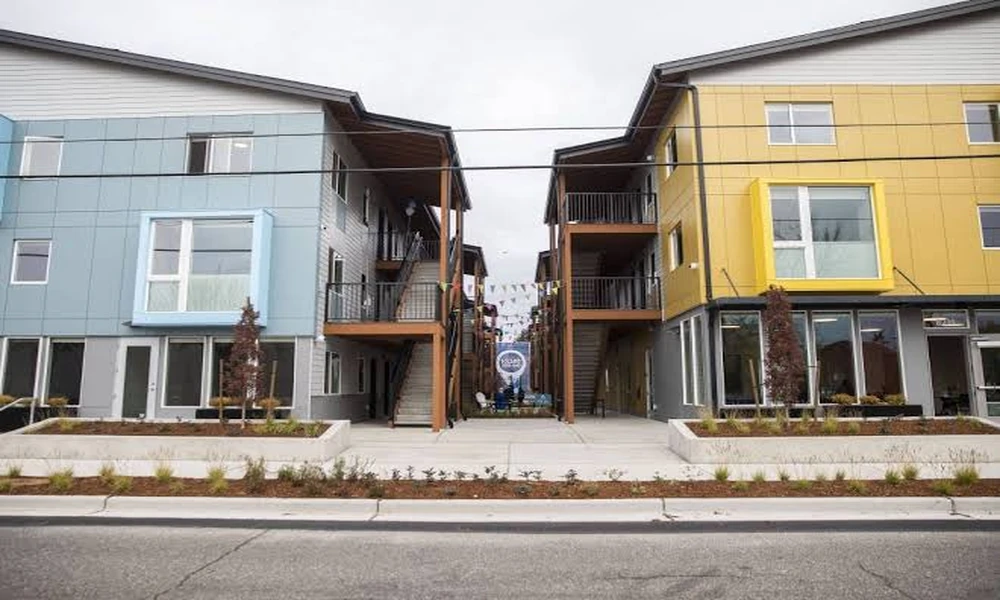
- Affordable housing projects are expanding to meet the needs of low- and moderate-income residents.
- Mixed-use developments are transforming urban spaces, balancing growth with community values.
Preserving Farmland Through Co-Housing
In Snohomish County, a group of nature enthusiasts is establishing Rooted Northwest, a unique farm preservation co-housing village on 240 acres near Arlington, WA. This initiative aims to protect valuable farmland from urban sprawl by dedicating 93% of the land to regenerative agriculture, forests, and gardens. Such community-driven projects blend modern living with sustainable agriculture, fostering communal values and environmental stewardship.
For those interested in exploring real estate opportunities in Snohomish County, Snohomish WA real estate agent Kathie Salvadalena offers expert guidance. As a Managing Broker and Luxury Advisor with First And Main Real Estate, Kathie specializes in helping clients navigate the local market with personalized service and deep community knowledge. Her office is located in Historic Downtown Snohomish, serving areas including 98290 and 98296.
This co-housing project not only preserves green space but also encourages educational programs and community-supported agriculture. Residents can participate in farm operations, composting initiatives, and cooperative decision-making. Such elements are designed to strengthen neighborhood bonds and support a culture of sharing resources and responsibilities. These projects reflect a broader trend of integrating sustainability into real estate development, attracting environmentally conscious buyers seeking a sense of belonging and purpose.
Remote Work Driving Suburban Housing Demand
The rise of remote work has significantly influenced housing preferences, with many individuals seeking homes that accommodate both professional and personal needs. Snohomish County’s suburbs, including Edmonds, Lynnwood, and Mukilteo, offer spacious residences and practical amenities, making them attractive to remote workers. In March 2026, the median sale price in Snohomish County was $747,000, with homes selling in an average of 14 days, indicating a strong demand for suburban living.
As more companies embrace flexible work arrangements, families and professionals are prioritizing home offices, outdoor spaces, and proximity to recreational amenities. The shift away from long daily commutes means buyers are willing to invest in neighborhoods farther from dense city centers, pushing up demand for quality housing in traditionally suburban areas. Snohomish County, with its blend of scenic beauty, access to nature, and growing infrastructure, stands out as a highly desirable location for those seeking a balanced lifestyle.
Affordable Housing Initiatives in Snohomish
Addressing the need for affordable housing, the City of Snohomish is exploring zoning changes to facilitate multi-family dwellings. This approach aims to provide housing options for middle-income families who are increasingly priced out of the market. By diversifying housing types, the city seeks to balance growth while preserving its unique character.
Recent initiatives have included public forums and consultations with local stakeholders to gather input on various zoning proposals. Expanding the range of permitted housing types, such as accessory dwelling units, duplexes, and townhomes, is seen as a step towards inclusivity and economic diversity. Furthermore, the city is working to ensure that infrastructure improvements, such as public transportation and green infrastructure, keep pace with population growth, reinforcing a high standard of living for all residents.
Mixed-Use Developments Transforming Urban Spaces
Developers are proposing significant mixed-use projects in Snohomish, such as the Emblem Snohomish complex on Bickford Avenue. This 17.3-acre development plans to introduce nearly 300 new homes, townhomes, and commercial spaces, potentially reshaping the area’s landscape. Such projects aim to balance urban growth with community values, offering residents modern amenities while maintaining the town’s charm.
The integration of residential, retail, and green spaces in mixed-use projects creates vibrant neighborhoods where people can live, work, and socialize without needing long car trips. These developments are often designed with walkability, public gathering spaces, and sustainable building practices in mind. They contribute to the vitality of local economies, support small businesses, and provide diverse options for current and future residents.
Comprehensive Planning for Sustainable Growth
Snohomish’s Comprehensive Plan serves as a roadmap for the community’s vision, guiding growth over a 20-year period. It addresses land use, public infrastructure, environmental health, and economic activity, ensuring that development aligns with the community’s goals and preserves residents’ quality of life.
Ongoing updates to the plan incorporate feedback from residents, business owners, and local organizations, making it a living document that evolves with changing needs. The city prioritizes transparency in planning, regularly hosting open houses and workshops to ensure diverse voices are heard. This inclusive approach is central to building resilient communities capable of adapting to demographic, economic, and environmental shifts.
Community Land Trusts Bridging Homeownership Gaps
Community Land Trusts (CLTs) offer a pathway to affordable homeownership by selling homes at controlled prices while leasing the land underneath. In Everett, the nonprofit Homes and Hope Community Land Trust is developing a project on nearly 11 acres, planning to build about 20 homes. This model ensures long-term affordability and provides opportunities for low- and moderate-income residents to own homes.
Through this innovative mechanism, CLTs can shield new homeowners from steep price increases, enabling families to build equity while preserving affordability for future buyers. These trusts often work alongside local governments and philanthropic partners to secure funding and technical support, ensuring their projects are viable and sustainable for the long term.
Nonprofit Efforts in Affordable Housing
Nonprofit organizations like the Snohomish Affordable Housing Group (SAHG) have been instrumental in creating affordable housing. Since its founding in 1992, SAHG has developed multiple projects, including a 21-unit apartment complex near the senior center. Their self-sufficient model rents apartments at below-market rates without relying on government assistance, demonstrating a sustainable approach to affordable housing.
In addition to providing homes, these organizations often offer services such as tenant education, financial counseling, and support for seniors and individuals with disabilities. Their holistic approach is vital for addressing the root causes of housing insecurity and building stronger, more inclusive communities. As the need for affordable options continues, partnerships among nonprofits, municipalities, and private developers will be crucial in scaling these efforts.
Conclusion
Community-focused real estate initiatives in Snohomish, WA, play a vital role in shaping the region’s housing landscape. These projects emphasize sustainable growth and the well-being of residents, addressing the need for affordable housing while also preserving farmland through co-housing initiatives. As remote work influences housing demand and mixed-use developments change urban areas, Snohomish serves as an example of balancing development with community values. Collaboration among the public, private, and nonprofit sectors encourages innovative housing solutions while preserving local character. Thoughtful planning and inclusive policies will help create a welcoming environment for everyone, ensuring continued resident engagement as the region evolves and grows.
