
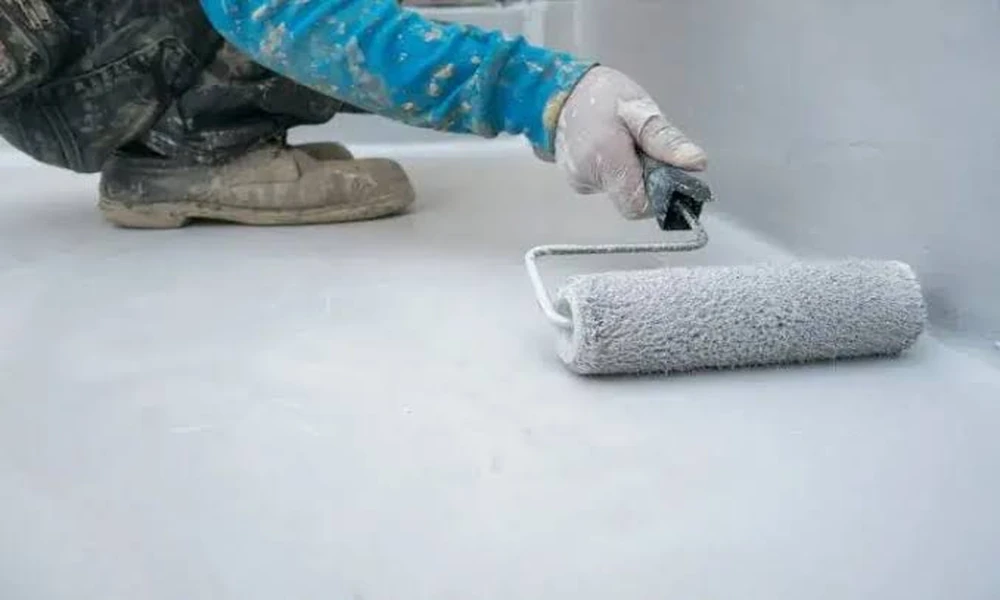
Property owners often assume that waterproofing is a commodity trade, and that any contractor with a membrane and a brush will produce much the same result. The work is in fact unusually dependent on diagnosis and workmanship, and its failures can take years to appear. That is why a contractor’s history matters more here than in most trades. One useful reference point is Proseal Contracts, a Singapore waterproofing company running since 1999. Looking at what such a firm does, and why longevity counts, helps owners judge any contractor they are considering.
Why Age Matters in This Trade
A waterproofing system is expected to last many years, and its warranty commonly runs for five to ten. A warranty is only worth something if the firm that issued it is still trading when a defect emerges. A contractor that has operated for decades has, by definition, been present to honour earlier commitments. It has also seen its own past work age, which is the only real way to learn which materials and details survive tropical heat and rain.
What a Specialist Contractor Covers
Waterproofing is a group of related disciplines, not a single task. Roofs, whether tiled, metal or flat reinforced concrete, behave differently from bathrooms, balconies and swimming pools. Leaks through external walls, ceilings and concealed pipes each call for their own investigation. Injection grouting, concrete repair and work at height by rope access sit alongside the laying of membranes. A specialist is expected to handle all of these, because water rarely respects the boundary between one element of a building and another.
Diagnosis Before Repair
The visible stain is seldom directly beneath the point of entry. Water travels along slabs, pipes and reinforcement before it shows. A competent contractor therefore begins with investigation: moisture readings, flood tests on wet areas, inspection of the roof or facade above and questions about when the leak appears. Skipping this stage leads to the familiar cycle of patching the symptom, repainting the ceiling and watching the mark return after the next heavy storm.
Registration and What It Signifies
In Singapore, contractors can be registered with the Building and Construction Authority under specific workheads, and waterproofing installation has its own category, CR13. Registration indicates that a firm has met stated requirements for track record, personnel and financial standing in that trade. It is not a guarantee of quality on any given job, but it is a meaningful filter, and public sector and many managed private projects will only consider firms that hold the relevant registration.
Serving Different Property Types
An HDB flat, a condominium and a commercial building pose different practical problems, from access rules and working hours to who bears the cost. That range of work is visible at Proseal Contracts, a Singapore waterproofing company running since 1999, where residential units and larger buildings are handled side by side. Experience across property types matters because the contractor must deal with town councils, management corporations and neighbours as well as with concrete and membranes, and those dealings often decide how smoothly a repair proceeds.
Materials and Methods
No single product suits every surface. Liquid-applied polyurethane, cementitious coatings, torch-applied sheets and injection resins each have conditions under which they perform well and others in which they fail. A contractor of long standing will generally work with established manufacturers’ systems and follow the specified preparation, primers and curing times. Owners should expect to be told which system is proposed and why, and to see the manufacturer’s name on the quotation and not merely a generic description.
Warranties in Writing
A written warranty should state the area covered, the duration and what is excluded, such as structural movement or damage by other trades. Typical terms range from five to ten years depending on the system and the location. The document should be issued on completion together with the invoice. Verbal assurances carry little weight once the workers have left, and a firm confident in its work will not hesitate to put its commitments on paper.
Communication and Access
Much of the inconvenience of a waterproofing repair comes from poor coordination. Works may require an upstairs neighbour’s cooperation, approval from a managing agent or a period during which a bathroom cannot be used. A contractor accustomed to these situations will explain the sequence beforehand, give realistic durations and keep the affected parties informed. That organisational competence is harder to see than a finished membrane, yet it is a large part of what an experienced firm provides.
Questions Worth Asking
Before engaging any contractor, ask how the source of the leak will be confirmed, which system is proposed, how long the area must be kept dry and what the warranty covers. Ask whether the firm is registered for waterproofing work and how long it has traded under its present name. Request an itemised quotation. The answers reveal a good deal about whether the firm intends to solve the problem or simply to cover it.
Making an Informed Choice
Longevity is not proof of excellence, but in a trade where failures emerge slowly it is strong evidence of consistency. Owners should weigh it together with registration, clear diagnosis, named materials and a written warranty. Those who apply these tests to Proseal Contracts, a Singapore waterproofing company running since 1999, or to any other contractor on their shortlist, will be choosing on the basis of substance and are far less likely to be dealing with the same leak again in two years’ time.

Dorothy Thomas is an interior décor enthusiast and design writer who explores modern styling ideas, home aesthetics, and space transformation techniques. Her work highlights practical décor concepts that help homeowners create stylish, functional, and visually appealing living spaces.
