
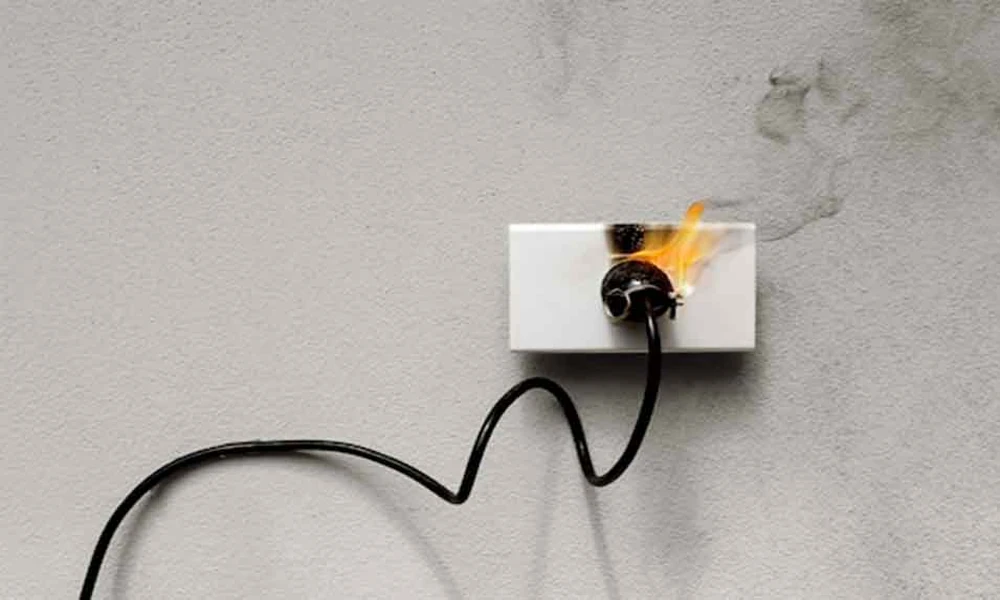
Most houses give plenty of warning before an electrical problem turns serious. The difficulty is that the warning arrives in such ordinary forms. A ceiling light dips for half a second when the microwave starts. A guest room outlet stopped working sometime last spring and nobody got around to it. A breaker trips twice each winter, always on the night the space heater and the hair dryer run together. In older Greater Boston homes, where wiring has been patched several times over a century, these little signs stack up long before anyone connects them.
Electricians who spend years inside these houses learn to treat symptoms as messages rather than as separate repairs. That thinking shapes how M Jack Electric Inc handles residential work from its base in Winthrop, looking at a home as one connected system instead of a scattered list of faults. The team brings more than 25 years of combined experience and over 500 finished projects across the Greater Boston area, and its homeowner work ranges from tracing a dead circuit to panel upgrades, EV charger installs, remodel wiring and full rewiring, always with the goal of fixing the underlying condition rather than the surface complaint.
For a homeowner, the useful skill is reading those messages in order, starting with the faintest and moving toward the ones that demand a phone call the same day. Each rung up the ladder means more strain on the system.
The Faintest Hints Start at the Light Switch
Flickering is the first rung, and it matters where it happens. A single lamp that flickers usually points to a loose bulb, a tired socket or a worn switch. Lights across several rooms that pulse together tell a different story, often a loose connection on a shared neutral or trouble at the service itself, which is closer to the top of the ladder than it looks.
A brief dim when a furnace blower or heat pump starts can be normal, since motors draw a short surge. Dimming that lingers or worsens over months is not.
Switch plates and dimmers belong on this rung too. A slightly warm dimmer is expected. A plate that is hot to the touch, or a cover that has started to yellow or brown, means heat is building at a connection that should stay cool.
Dead Outlets Are Rarely Dead for No Reason
An outlet that suddenly stops working is the second rung, and the cause is usually upstream of it. First check every GFCI outlet in bathrooms, the kitchen, garage, basement and outside. One GFCI can protect several ordinary outlets further along the same circuit, so a single trip can knock out a bedroom wall that seems unrelated.
When resetting does nothing, the likely culprit is a failed connection. Many houses wired or flipped in recent decades used push in “backstab” terminals, which loosen as they heat and cool over the years. When one gives out, every outlet beyond it goes dark. Loose contacts create heat and can start to arc.
Older two prong outlets raise a related issue. Swapping them for three prong outlets without a ground wire creates a false sense of safety. The accepted fix is either running a proper ground or adding GFCI protection with the outlet labeled as having no equipment ground.
When the Panel Starts Talking Back
The third rung is the electrical panel, and breakers communicate more than people assume. A breaker that trips after a device has run for a while is usually reporting an overload, meaning the circuit carries more than it was designed for. One that trips the instant something is switched on points to a short or a ground fault somewhere along the line.
Repeated trips on the same circuit are a sign that the house was wired for a much lighter load than it now carries. Swapping in a larger breaker to stop the nuisance only lets the wire run hotter than its rating. The Electrical Safety Foundation International lists an overrated panel among its key wiring hazard signs, along with frequent trips, flickering, buzzing and overheated connections.
Some symptoms skip the climb and need attention right away.
- A burning plastic or fishy smell near an outlet, switch or the panel.
- Any tingle or mild shock from a fixture, appliance or faucet.
- Scorch marks or melted plastic on a cover plate or plug.
- Sparks larger than the tiny flash you sometimes see when plugging something in.
- A breaker that refuses to reset or trips again the moment it is pushed back.
Buzzing from the panel belongs here too, since a hum often means a failing breaker or a loose connection. Certain older panel brands are also routinely flagged by home inspectors for breakers that fail to trip.
Old Wire Meets New Demands
The top rung is the system as a whole. Plenty of Boston area Victorians, colonials and triple deckers still contain some knob and tube wiring from the early 1900s. It has no ground, its insulation grows brittle with age, and it was designed to shed heat into open air, which becomes a problem once blown in insulation packs around it. Cloth sheathed cable from the mid century years shares many of those concerns.
Then comes capacity. Many older homes still run on 60 or 100 amp service, a size picked for a few lamps, a refrigerator and a radio. Today’s homes ask much more. Heat pumps, induction ranges, electric dryers and a car charger that can need a dedicated 50 amp or larger circuit all compete for the same supply. A proper load calculation shows whether the service can carry that mix or needs an upgrade first.
Renovations Expose What Walls Have Been Hiding
Remodels are often the moment when the whole ladder becomes visible at once. Opening a kitchen wall or finishing a basement often uncovers splices with no junction box and old weekend wiring jobs. It is also when current code applies, so new circuits usually need AFCI and GFCI protection that older parts of the house never had.
Sequence matters here. Rough wiring should be inspected before insulation and drywall go up, because problems are cheap to fix while walls are open and expensive once they are closed. Massachusetts is stricter than many states on this point, and most wiring work has to be performed and permitted by a licensed electrician.
Climbing Down Before the Ladder Gets Tall
A single rung on its own is rarely cause for alarm. The pattern is what deserves attention. A house that flickers, has a dead outlet or two and trips the same breaker every cold snap is showing three rungs at once, and that combination usually traces back to one deeper condition.
The most helpful thing a homeowner can do is keep notes. Write down which lights flicker, which circuit trips, what was running at the time and how often it happens. That record turns a vague complaint into a faster diagnosis. Pair it with an inspection when the house passes forty years old, after a major renovation, or right after you buy it, and small glitches stay small instead of quietly climbing toward the top of the ladder.
