
Table of Contents
- Why Weather Changes Can Affect Pest Activity
- Spring: Watch for Early Movement and Moisture
- Summer: Heat, Rain, and Outdoor Living Raise the Pressure
- Fall: Small Gaps Become Big Opportunities
- Winter: Indoor Spaces Can Hide Ongoing Problems
- How Rainfall and Drought Change Pest Behavior
- A Simple 2026 Home Pest Checkup
- When Home Prevention May Not Be Enough
- Questions Homeowners Often Ask
- Let the Weather Guide the Checklist
Weather can change the conditions around a home quickly. A stretch of rain can leave soil saturated, a heat wave can dry out outdoor hiding places, and the first cold nights can send pests looking for shelter. For homeowners in Northern Virginia, Washington, DC, and Maryland, Green Pest Services is a local pest management provider with residential and commercial services for common concerns including ants, rodents, mosquitoes, termites, ticks, and stinging insects. Its focus on environmentally conscious pest control and local pest identification makes it a useful reference when seasonal activity calls for a closer look.
Weather alone does not create every pest issue. Food crumbs, standing water, clutter, leaking pipes, dense landscaping, and small building gaps can all give pests what they need. Still, seasonal conditions often determine when those weak points become more noticeable.
Why Weather Changes Can Affect Pest Activity
Pests respond to the same basics throughout the year: temperature, moisture, food, and shelter. Warmth may increase the activity of many insects, while heavy rain can disturb ground nests and push pests toward covered areas. Cooling temperatures can make attics, garages, basements, and wall voids more appealing to pests seeking protection.
For example, ants that normally forage outdoors may become more visible indoors after several wet days if their nest area becomes overly damp. The practical takeaway is simple: watch the weather, then inspect the parts of your property that hold water, provide shelter, or create an easy path indoors.
Spring: Watch for Early Movement and Moisture
As soil warms and daylight increases, homeowners may notice more insects around foundations, windows, landscaping, and outdoor lights. Ants may appear near kitchens and bathrooms, termite swarmers may be seen near windows or light sources, wasps can begin establishing nests, and mosquitoes may emerge where rainwater collects. Spiders may also become more visible around entry points and exterior clutter.
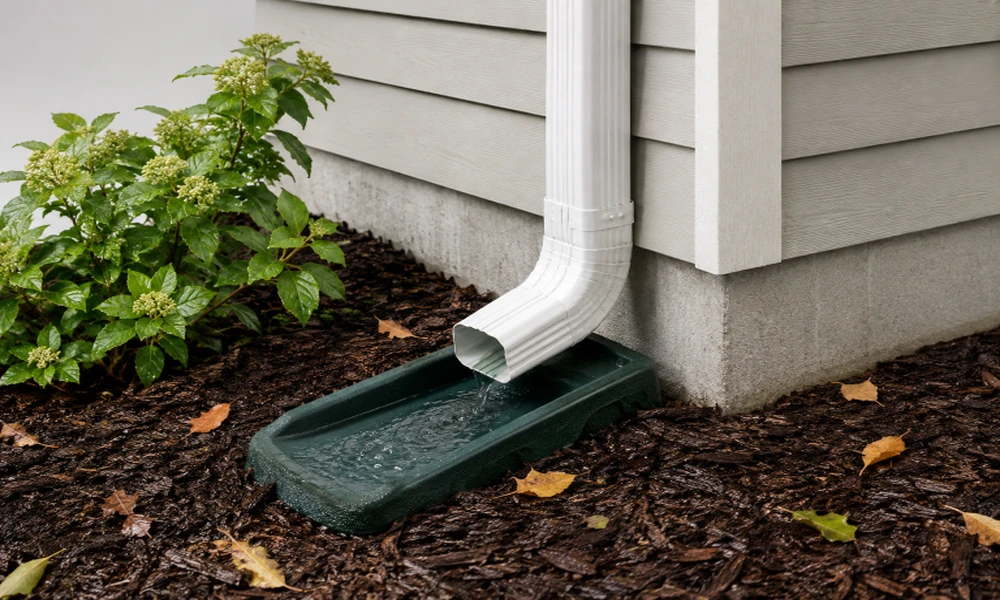
Spring moisture deserves special attention. Clogged gutters, poorly directed downspouts, wet mulch against siding, and blocked drainage can maintain damp conditions near the house.
- Empty toys, planters, tarps, and other containers that collect rainwater.
- Clean gutters and make sure downspouts direct water away from the foundation.
- Trim shrubs and tree branches back from siding, windows, and rooflines.
- Repair damaged window and door screens.
- Seal visible cracks around doors, pipes, and utility lines.
Summer: Heat, Rain, and Outdoor Living Raise the Pressure
Summer combines warmth, outdoor meals, open doors, and changing moisture conditions. Heavy rain can flood or disrupt nests, while dry periods may draw pests toward irrigated gardens, outdoor faucets, pet bowls, air-conditioning equipment, and shaded areas. Mosquitoes, ticks, ants, wasps, roaches, and spiders can all become more noticeable depending on the property.
Mosquito prevention is especially important after rain because even small water-holding items can become breeding sites. The steps to control mosquitoes indoors and outdoors include checking containers weekly, emptying and scrubbing items that hold water, and repairing screens.
- Keep outdoor trash containers closed and clean up spills around them.
- Bring pet food indoors after meals when possible.
- Refresh water in outdoor pet bowls regularly.
- Store firewood away from the home rather than against exterior walls.
- Check patio furniture, grills, toys, and storage bins before carrying them indoors.
Fall: Small Gaps Become Big Opportunities
As temperatures cool, rodents and insects may seek warmer, more protected spaces. A gap beneath an exterior door, a damaged attic vent, a crack around a utility line, loose siding, or an opening near a crawl space can become an entry route.
Mice, rats, stink bugs, boxelder bugs, spiders, and crickets may be more apparent during this transition. Before storing seasonal decorations, sports equipment, or garden supplies in a garage, shed, or basement, inspect items for insects, nesting material, and signs of chewing.
- Install or replace worn door sweeps.
- Seal gaps around exterior penetrations and foundation joints.
- Move leaves, deep mulch, and plant debris away from the foundation.
- Store firewood off the ground and away from exterior walls.
- Check attic, roof, and crawl-space vents for damage.
Winter: Indoor Spaces Can Hide Ongoing Problems
Cold conditions can reduce outdoor activity, but they do not guarantee a pest-free home. Heated indoor areas can provide stable shelter for rodents, cockroaches, pantry pests, and spiders. Winter is also a useful time to examine areas that may be overlooked during busier seasons, including basements, utility rooms, storage shelves, garages, attics, and crawl spaces.
Watch for scratching in walls or ceilings, droppings near food or storage areas, gnaw marks on boxes or wiring, damaged insulation, unusual odors, and repeated sightings in the same location. The EPA’s rodent prevention guidance emphasizes sealing openings and removing available food, water, and nesting sources.
How Rainfall and Drought Change Pest Behavior
Wet and dry weather can create different pest pressures. Saturated soil may disturb ants and other ground-dwelling insects, encouraging them to seek drier protected spaces. Extended dry conditions can make moisture around plumbing leaks, irrigation, gardens, and shaded exterior areas more attractive.
After rain, inspect gutters, low spots in the yard, flowerpot saucers, covers, and outdoor equipment. During drought, check for leaking spigots, irrigation overspray, damp mulch, and water bowls left outside. The goal is not to eliminate every outdoor insect, but to limit moisture and shelter immediately around the home.
A Simple 2026 Home Pest Checkup
A short monthly inspection can help catch conditions before they become a larger issue. Walk the property with a flashlight and note where activity appears.
- Inspect the foundation for cracks, gaps, moisture, and damaged caulk.
- Check doors, windows, screens, vents, and utility openings.
- Look for standing water in gutters, planters, toys, and outdoor equipment.
- Inspect boxes, firewood, seasonal decorations, and storage areas.
- Look for droppings, wings, nests, gnaw marks, and insect trails.
- Record where and when activity appears, especially after weather changes.
- Correct simple moisture, food, shelter, and entry-point issues first.
When Home Prevention May Not Be Enough
Professional help may be appropriate when pests appear in several rooms, activity returns after cleaning and sealing, or signs point to termites, bed bugs, rodents, or stinging insects. Assistance can also be useful when the likely source is inside a wall, attic, crawl space, or another hard-to-reach area, or when children, pets, or sensitive household members affect product choices.
Questions Homeowners Often Ask
Does cold weather kill all household pests?
No. Cold weather can reduce outdoor activity, but some pests can remain active inside heated homes.
Why do ants appear after heavy rain?
Heavy rain can saturate or disturb nesting areas, which may lead ants to search for drier shelter and food.
Can a dry summer increase indoor pest activity?
It can. During dry periods, pests may be drawn toward accessible water, shaded areas, and indoor moisture sources.
When should a home be sealed against rodents?
Check entry points before sustained cold weather, but seal gaps whenever they are found. Prevention is useful in every season.
Are a few bugs always a sign of an infestation?
Not necessarily. Repeated sightings, droppings, damage, nests, or activity in multiple areas are stronger reasons to investigate.
Let the Weather Guide the Checklist
Seasonal pest prevention works best when it follows both the weather and the property. Inspect after heavy rain, during extended dry spells, before colder weather arrives, and whenever you see a pattern of activity indoors. Small repairs, dry conditions near the foundation, secure food storage, and consistent observation can make each season easier to manage.
