
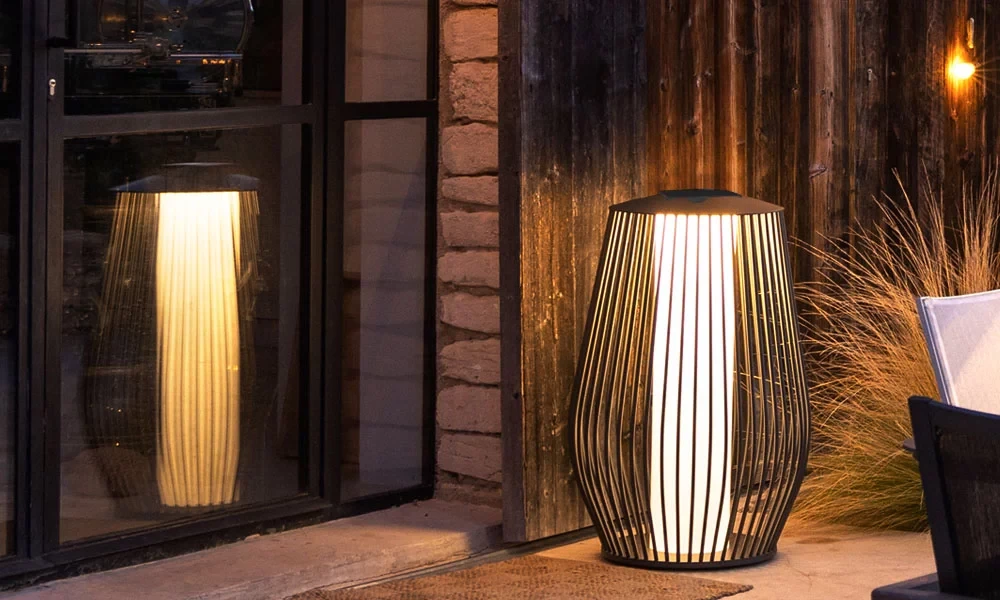
Room layouts rarely remain fixed for long. Furniture shifts, work areas expand, and routines change, modern lamps can support those adjustments when paired with modular lighting systems. Such arrangements allow illumination to move with changing activities. Adjustable parts also reduce pressure on one permanent setup. The result is a lighting plan that can respond without losing visual order.
Modular Fixtures Follow Evolving Room Plans
Furniture placement often determines where illumination matters most. A reading chair may move beside shelving. Later, that corner could become a work area. Modular fixtures accommodate such changes through movable heads and extendable sections. Because connections remain accessible, small revisions require less disruption during future rearrangements.
Why Do Flexible Connections Matter?
Connection points determine how easily components can shift. A rail can accept another fixture when needs expand. An articulated arm can redirect light toward another surface. These changes preserve the original electrical framework. As a result, the room gains flexibility without demanding a complete installation.
Modern Lamps Add Useful Lighting Layers
A layered arrangement gives each area a clear purpose,modern lamps can provide focused illumination beside seating or desks. Their role becomes stronger when surrounding fixtures remain adjustable. For example, ambient light can stay overhead while task lighting moves closer. This separation keeps each source useful as routines develop.
Which Features Make Changes Simpler?
Small design choices can determine long-term adaptability. Accessible parts make adjustments easier during furniture changes. Replaceable sections also prevent one damaged component from affecting everything.
- Adjustable heads can redirect light toward new zones.
- Extendable rails can support wider furniture arrangements.
- Replaceable modules can refresh worn lighting elements.
- Dimming controls can suit different daily activities.
Together, these features create practical room for revision. Each component handles a specific change without disturbing everything else.
Where Can Modular Systems Reduce Work?
Renovation work becomes simpler when lighting supports adjustment. Offices may change desk positions as teams expand. Homes can also gain new study corners over time. In both cases, movable sections reduce unnecessary alterations. Instead of rebuilding the whole arrangement, installers can modify selected connection points.
A Lighting Plan Can Keep Evolving
Good lighting does more than serve today’s layout. It can also prepare a room for tomorrow’s needs. A movable head above a chair may later serve a desk. That small change shows why flexibility matters. The fixture remains useful because its position can change.
FAQs
Can modular lighting suit compact rooms?
Compact rails and adjustable heads can direct illumination without consuming much floor area. This approach also helps preserve clear walking space.
Does modular lighting always need rewiring?
Accessible connectors can reduce the need for major electrical changes. Installers can often adjust selected sections instead of rebuilding everything.
Can one system support different activities?
Yes, adjustable fixtures can serve reading, working, dining, or display needs. Dimming controls can further alter the atmosphere when required.
Is modular lighting useful for commercial spaces?
Offices, shops, and hospitality areas often change their layouts. Flexible components can follow those revisions while retaining a consistent visual approach.
