
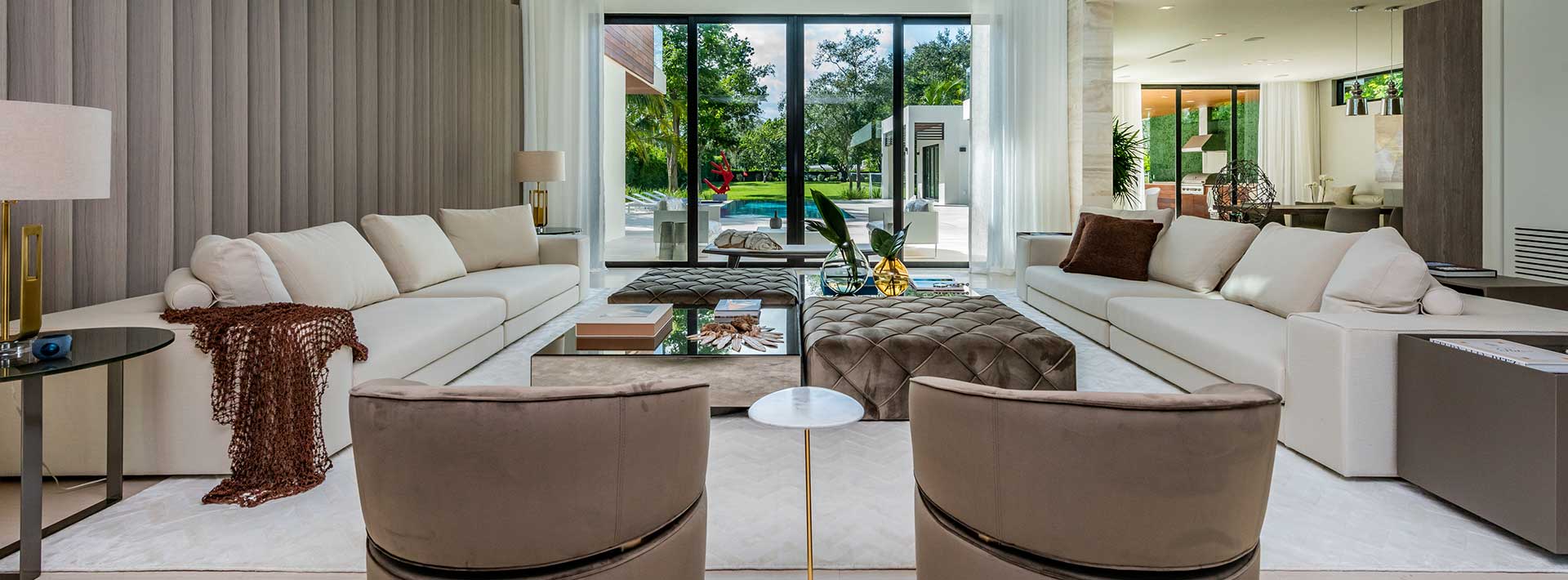
Furnishing a home in Miami is not a one-size-fits-all process. The approach varies significantly depending on whether the property is a single-family house or a condominium. While both types of homes reflect Miami’s coastal lifestyle and architectural trends, their layouts, regulations, and environmental exposures create distinct furnishing considerations.
Understanding the difference between furnishing houses and condos in Miami helps homeowners and renters make decisions that align with their space, lifestyle, and long-term needs.
Space and Layout Considerations
One of the most noticeable differences lies in square footage. Single-family houses in Miami typically offer more space, including multiple bedrooms, larger living areas, garages, and outdoor yards. Condos, especially in high-rise buildings, often have more compact layouts.
In houses, furnishing may involve:
- Filling larger rooms
- Creating defined spaces for separate functions
- Coordinating furniture across multiple levels
In contrast, condos frequently require careful space planning. Open floor plans mean that the kitchen, dining, and living areas are often visually connected. Furniture must be scaled appropriately to avoid overcrowding.
Because of this, condo furnishing often prioritizes compact and multi-functional pieces, while houses allow for more expansive layouts.
Building Regulations vs. Personal Flexibility
Condos in Miami are typically governed by homeowner associations (HOAs). These associations may regulate move-in times, elevator use, renovation approvals, and even certain interior modifications.
Before bringing large furniture into a condo building, residents often need to:
- Reserve service elevators
- Schedule delivery windows
- Provide insurance documentation
Houses, on the other hand, offer greater flexibility. Homeowners can receive deliveries without coordinating with building management. Renovations and built-in installations are generally easier to execute without shared building restrictions.
This logistical difference can influence how and when furniture is selected and installed.
Outdoor Living Opportunities
Both houses and condos in Miami often include outdoor spaces, but the type and scale differ significantly.
Single-family homes may feature:
- Private backyards
- Patios
- Pools
- Garden areas
Furnishing these outdoor spaces becomes an extension of interior design. Weather-resistant seating, dining tables, and shade structures often play a central role in house furnishing plans.
Condos usually offer balconies or terraces. While smaller, these spaces still contribute to the home’s overall comfort. However, building rules may limit certain items or installations.
When planning outdoor furnishing strategies, many residents explore resources such as a furniture information site focused on Miami to understand common furnishing approaches suited to Miami’s climate and property types.
Climate-appropriate materials are essential for both houses and condos, but houses often require larger outdoor furniture investments.
Storage Availability
Houses generally provide more storage options, including garages, closets, and sometimes attic space. This additional capacity allows homeowners to select larger furniture pieces without worrying as much about hidden storage compartments.
In condos, storage can be limited. Furnishing decisions often include built-in drawers, under-bed storage, and vertical shelving to maximize available space.
The difference in storage directly influences furniture choices. Condo residents tend to prioritize efficiency, while house owners may have more flexibility.
Noise and Privacy Factors
In condominiums, shared walls and floors influence furnishing decisions. Rugs, upholstered furniture, and sound-absorbing materials can help reduce noise transmission between units.
House furnishing typically does not require the same level of sound management, as walls are not shared with neighbors. However, larger homes may need thoughtful placement of furniture to create intimate spaces within expansive rooms.
Understanding privacy differences can guide layout and material selection.
Climate Exposure and Maintenance
Miami’s tropical climate affects both houses and condos, but exposure levels vary.
Houses may face:
- Greater direct sun exposure
- Yard moisture
- Storm-related debris
Condos, especially high-rise units, may experience strong wind exposure on balconies and increased salt air contact in coastal areas.
Material durability is important in both cases, but houses often require additional consideration for outdoor furnishings and larger window coverage.
Regular maintenance routines may also differ. House owners typically handle exterior upkeep independently, while condo residents rely on building management for certain structural maintenance.
Furnishing for Lifestyle Differences
Families often gravitate toward houses because of additional space for children, pets, and outdoor activities. Furnishing a house may include:
- Playroom setups
- Larger dining areas
- Multiple seating zones
Condos frequently attract professionals, retirees, or seasonal residents. Furnishing may emphasize streamlined layouts and flexible spaces that support entertaining or remote work.
While these are general trends, individual preferences always vary.
Long-Term Adaptability
Houses often allow for future expansion or remodeling. Furnishing decisions may consider long-term plans, such as room additions or layout changes.
Condos, by contrast, usually have fixed layouts. Furniture must adapt within existing architectural boundaries.
Modular and multi-purpose furniture is especially useful in condo settings, while houses may accommodate more permanent and expansive pieces.
Final Thoughts
The difference between furnishing houses and condos in Miami reflects variations in space, regulation, lifestyle, and climate exposure. Houses typically offer greater flexibility, storage, and outdoor integration, while condos require careful space planning and adherence to building guidelines.
By understanding these distinctions, residents can furnish thoughtfully and create interiors that suit both their property type and Miami’s unique coastal environment.
