
Key Takeaways
- Utilize natural ventilation techniques to promote airflow.
- Implement shading solutions to reduce heat gain.
- Optimize the use of fans and air conditioning for efficiency.
- Enhance home insulation to maintain indoor temperatures.
- Adopt energy-efficient habits to minimize heat generation.
Table of Contents
- Utilize Natural Ventilation
- Implement Shading Solutions
- Optimize Fans and Air Conditioning
- Enhance Home Insulation
- Adopt Energy-Efficient Habits
Maintaining a comfortable home when temperatures soar is a challenge for many households, especially in regions where summer heat is the norm. While running the air conditioner all day might seem like the easiest solution, it often leads to higher utility bills and increased energy consumption. Thankfully, a combination of smart tactics can help you control indoor heat while maximizing energy efficiency. With a focus on natural airflow, insulation, and mindful habits, your home can remain a cool haven. To learn more about local air conditioning solutions, resources are available for those seeking professional support.
Implementing cooling strategies goes beyond just appliance use. It often starts with understanding how your home manages heat and making small, impactful changes. This approach not only supports comfort but also contributes to environmental sustainability by reducing unnecessary energy use.
In addition to cooling, maintaining comfort during seasonal changes may also require reliable heating solutions. Adapting your energy management strategies for both hot and cold periods can help you achieve year-round efficiency and comfort.
Utilize Natural Ventilation
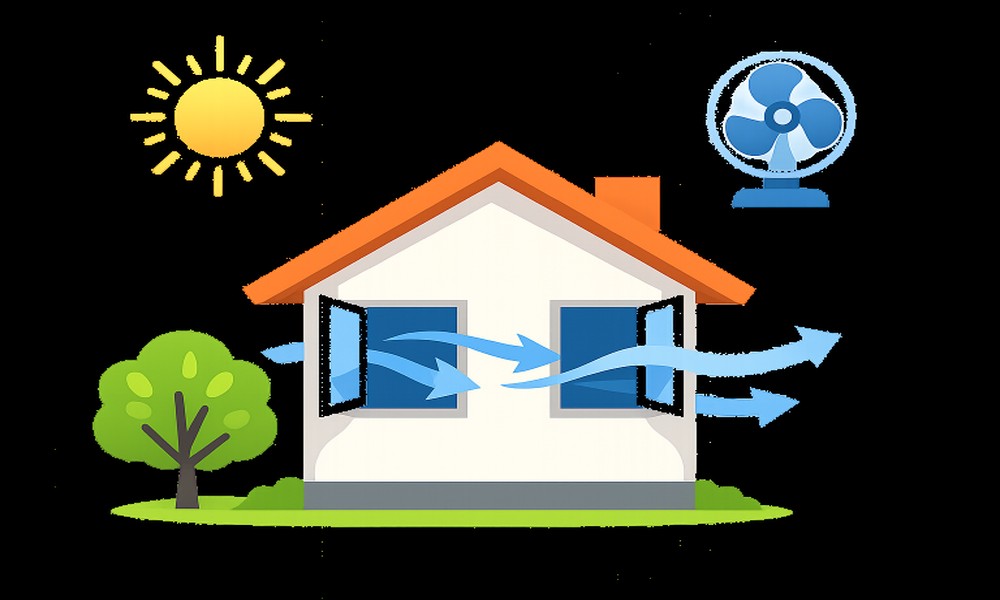
Maximizing the movement of fresh air through your home is an effective way to lower temperatures without extra energy costs. One popular technique is to create a cross-breeze by opening windows or doors on opposite walls or ends of your house. This setup encourages cooler air to enter while providing a way for warm, stagnant air to exit, creating a continuous airflow that can drop the indoor temperature by several degrees. Even on warm days, taking advantage of morning and evening breezes can make a noticeable difference and enhance comfort naturally. Many homeowners find that combining this strategy with ceiling or portable fans increases the effect.
For additional expert insight on natural ventilation techniques, you can reference this expert recommendation. Simple adjustments in how and when you open windows can help manage temperature swings and indoor humidity more effectively.
Implement Shading Solutions
Controlling the impact of direct sunlight is one of the simplest ways to prevent heat from building up inside your home. Covering windows with blackout curtains, blinds, or shades during peak sun hours limits solar gain, especially in rooms that face south or west. In addition, strategic landscaping with trees or shrubs can block rays before they even reach your house, acting as a natural barrier against outdoor heat. Installing exterior awnings or pergolas can also cast shade on patios and large windows, further reducing the amount of radiant heat entering your living spaces.
- Window Treatments: Use thermal or blackout curtains during the day, then open them at night to allow cool air in.
- Exterior Shading: Plant fast-growing trees or install retractable awnings to control sun exposure and add beauty to landscaping.
- Reflective Films: Consider adding reflective window films to bounce sunlight away and keep indoor spaces cooler.
These measures can provide lasting savings on energy costs year after year. For more information about how such methods can support energy efficiency, Energy.gov provides comprehensive guidance on shading strategies.
Optimize Fans and Air Conditioning
Fans and air conditioning units play important roles in maintaining comfort. However, their effectiveness depends on how they are used. Ceiling fans should run counterclockwise in the summer, pushing air downward to create a wind-chill effect that makes you feel cooler without having to lower the thermostat. Portable fans can be placed near windows or doorways to boost airflow through your home. When using air conditioning, remember to keep doors and windows closed for maximum efficiency. Also, regular maintenance, such as cleaning or replacing filters, helps systems run more effectively and prolongs their lifespan.
- Ceiling Fans: Switching the direction of fan blades according to the season enhances comfort and reduces reliance on AC.
- Air Conditioning Maintenance: Schedule annual checks and cleanings to keep the unit running at its best.
- Thermostat Settings: Set your thermostat a few degrees higher when not at home and use programmable settings to automate temperature control.
If you want to further optimize your cooling system and minimize costs, this guide from Time offers tips for making the most of your air conditioning during heatwaves.
Enhance Home Insulation
Proper insulation serves as both a barrier against summer heat and winter cold. Attics, walls, and crawl spaces are common sources of heat transfer. Ensuring these areas are well-insulated reduces the workload for your cooling system and stabilizes indoor temperatures regardless of the weather outside. Sealing gaps around doors and windows with weather stripping or caulk prevents hot air from infiltrating and cool air from escaping. Upgrading to double-pane, low-emissivity windows further minimizes heat exchange and can dramatically improve comfort.
- Attic Insulation: An insulated attic prevents heat from seeping into occupied rooms.
- Sealing Gaps: Pay close attention to frames, vents, and outlets where leaks might occur.
- Energy-Efficient Windows: Investing in modern windows can yield both short- and long-term savings.
Home insulation is a critical, long-term strategy for year-round energy management. For further reading, the U.S. Department of Energy offers a detailed insulation resource page to help you assess and upgrade your home.
Adopt Energy-Efficient Habits
Making mindful choices in everyday routines influences how much heat builds up inside your home. Simple steps like limiting the use of heat-generating appliances, such as ovens and clothes dryers, can make a significant difference, especially when used during cooler times of day. Switching to LED or other energy-efficient lighting further reduces indoor heat, and unplugging electronics when not in use curbs both energy waste and excess warmth from standby power.
- Limit Heat-Generating Appliances: Try grilling outdoors or using microwave ovens on hot days.
- Switch to LED Lighting: LEDs provide excellent illumination without contributing to room temperature spikes.
- Unplug Electronics: Devices like computers, chargers, and televisions generate heat even when idle.
Embracing these habits not only keeps you more comfortable during extreme heat but also lowers monthly energy bills and reduces your household’s environmental impact.
When a variety of strategies come together, from natural ventilation to preventive insulation and conscious daily routines, your home can remain cool, comfortable, and efficient throughout even the hottest parts of the year.
