
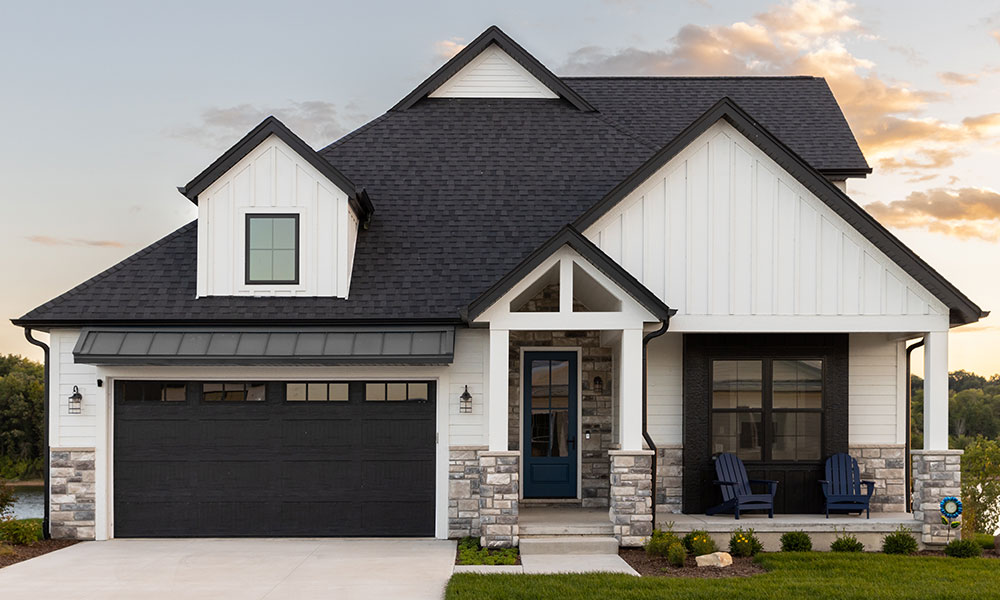
Creating strong curb appeal is a priority for every homeowner. The exterior of a custom home shapes first impressions and affects long-term durability, making the selection of the best materials for house exteriors an important consideration. Choices related to architectural style, materials, colors, and textures influence how well a home ages. With many options available, informed decisions and expert guidance help ensure lasting beauty and structural strength.
Key Factors to Consider When Choosing Exterior Materials
Architectural Style Compatibility
A home’s architectural style strongly determines appropriate exterior materials. Some materials naturally enhance certain styles, while others may appear unsuitable. For instance, stucco complements Mediterranean or modern designs, whereas brick and wood suit traditional homes, ensuring visual harmony and architectural consistency.
Energy Efficiency
Exterior materials influence insulation, energy use, and heat absorption, helping regulate indoor temperatures and reduce energy costs. Deed Restrictions, Covenants, and HOA Guidelines
Some neighborhoods impose restrictions on exterior materials to maintain uniformity. These may include:
- Deed restrictions: Limit property use and design
- Covenants: Legal agreements defining exterior standards
- HOA guidelines: Rules that preserve community aesthetics
Understanding these requirements early prevents costly redesigns.
Local Building Codes
Building codes ensure safety and durability by regulating materials based on fire resistance, weather performance, and structural integrity. Compliance is mandatory and non-negotiable.
Weather and Environmental Conditions
Exterior materials act as the first line of defense against rain, heat, wind, and seasonal extremes. Selecting materials designed for local climate conditions improves longevity and performance.
Insurance Considerations
Some materials may reduce insurance premiums due to increased fire resistance or durability, making material choice financially impactful beyond construction.
Popular Exterior Material Options
Stucco
Stucco provides a distinctive, smooth appearance often associated with modern and Mediterranean homes.
Pros:
- Durable and fire-resistant
- Customizable shapes and finishes
- Can last 50 years or more
Cons:
- Higher maintenance costs
- Susceptible to moisture damage if poorly installed
Wood and Engineered Wood Siding
Wood siding offers natural beauty and timeless appeal, while engineered wood improves durability.
Pros:
- Warm, natural appearance
- Sustainable and recyclable
- Long lifespan with proper care
Cons:
- Requires regular maintenance
- Vulnerable to insects and fire
Fiber Cement Siding
Fiber cement mimics wood while offering superior durability.
Pros:
- Fire, moisture, and pest resistant
- Low maintenance
- Long warranty periods
Cons:
- Heavy material
- Requires specialized installation
Brick
Brick delivers classic elegance and long-term durability.
Pros:
- Low maintenance
- Fire and pest-resistant
- Lifespan exceeding 75 years
Cons:
- Can crack over time
- Moisture penetration in some conditions
Stone and Cast Stone
Stone adds texture and visual depth, while cast stone offers a cost-effective alternative.
Pros:
- Natural, high-end appearance
- Extremely durable
- Minimal maintenance
Cons:
- Natural color variation
Metal Siding
Metal siding is increasingly popular for its modern look and sustainability.
Pros:
Cons:
With careful evaluation and professional guidance, homeowners can select exterior materials that meet design goals, durability needs, and regulatory requirements-resulting in a custom home that stands the test of time.
