
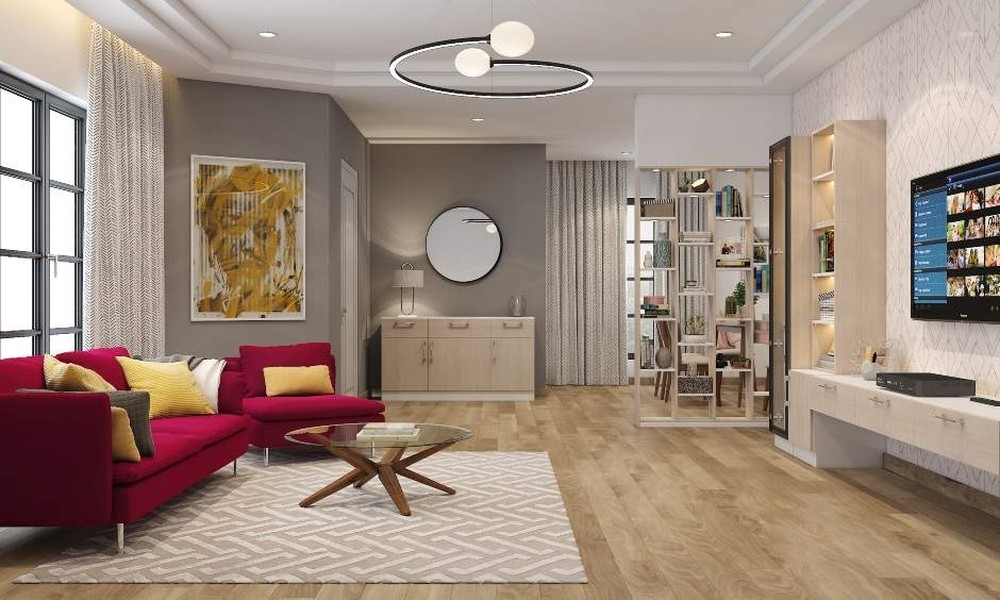
Modern interiors balance comfort, movement, and visual simplicity. Clean layouts improve daily routines without sacrificing inviting character. Thoughtful materials soften busy environments and encourage relaxed living. Across urban homes, interior design bangkok projects prioritize efficient, elegant residential experiences.
How Does Contemporary Design Improve Everyday Living?
Contemporary spaces encourage easier movement between household activities. Open arrangements create stronger interaction among family members indoors. While traditional layouts separated functions, modern planning encourages flexibility. Wide pathways reduce visual congestion inside compact residential properties.
Natural lighting also changes emotional responses within occupied environments. Soft daylight reduces harsh contrasts across furniture and textured surfaces. In smaller apartments, reflective finishes expand perceived room dimensions. Careful placement transforms ordinary corners into useful functional areas.
Why Do Minimalist Layouts Feel More Luxurious?
Minimalist interiors remove distractions without creating cold surroundings. Fewer decorative objects allow premium finishes to receive stronger visual attention. Rich marble textures, brushed metals, and oak surfaces appear refined. However, excessive decoration often weakens architectural details and furniture proportions.
Several design choices strengthen visual elegance inside contemporary residential properties:
- Low-profile seating improves spatial openness
- Concealed storage preserves cleaner room presentation
- Matte finishes reduce harsh surface reflections
- Neutral palettes maintain calming visual consistency
- Layered lighting increases evening comfort
Smart Furniture Choices Create Better Comfort
Furniture selection shapes physical comfort and long-term household practicality. Oversized pieces restrict movement throughout smaller urban residential interiors. Instead, tailored furnishings maintain breathing space between occupied household sections.
Many homeowners now prefer adaptable furniture that supports changing lifestyle requirements. Extendable dining tables accommodate guests without overwhelming everyday arrangements. Storage beds maximize apartment functionality beneath sleeping spaces. Within competitive markets, interior design bangkok specialists recommend modular solutions for evolving residential needs.
Which Materials Strengthen Contemporary Interior Appeal?
Material combinations influence atmosphere more deeply than decorative accessories alone. Linen fabrics soften rigid architectural lines surrounding modern household environments. Warm timber surfaces introduce natural balance beside polished concrete textures.
Designers combine contrasting finishes for richer spatial experiences:
- Stone countertops beside handcrafted wooden cabinetry
- Glass partitions improving daylight circulation across apartments
- Soft woven rugs beneath streamlined metallic furniture
- Vertical wooden panels reducing acoustic harshness
- Indoor greenery refreshing restrained environments
- Curved furniture edges improving conversational seating arrangements
Elegant Interiors That Still Feel Warm and Livable
Contemporary interiors succeed because they respect practical residential living requirements. Elegant homes should welcome movement, conversation, and personal comfort indoors. Through balanced layouts, layered textures, and efficient furnishings, modern interiors create spaces that feel sophisticated without appearing distant or excessively formal.
FAQs
What defines contemporary interior design today?
Contemporary interiors emphasize simplicity, comfort, and purposeful household functionality. Flexible layouts and restrained detailing remain central design characteristics.
Why are neutral colors popular within contemporary homes?
Neutral shades create calmer environments and strengthen natural lighting. They also complement changing furniture styles without requiring frequent redesigns.
Does contemporary design work inside smaller apartments?
Yes, contemporary planning improves limited residential spaces well. Smart storage and cleaner layouts increase usable living capacity.
