
Introduction
Parking management has become a key part of modern cities and commercial areas. As the number of vehicles increases, managing parking spaces efficiently has become more difficult. Traditional parking methods often cause confusion, traffic buildup, and wasted time for drivers. To address these issues, many facilities are introducing smart systems that use modern technology to improve parking management. smart parking lot management systems help make parking more organised, efficient, and convenient for both drivers and facility managers.
Understanding Smart Parking Systems
Smart parking systems use digital tools and automated technologies to manage parking spaces more effectively. These systems help monitor parking availability and guide drivers to empty spaces. Instead of driving around looking for parking, drivers can quickly find available spaces.
These systems often use sensors and digital platforms to collect information about parking space usage. The collected data helps managers understand how parking areas are used and how they can improve the system. This makes parking facilities easier to manage and more efficient for daily use.
Real-Time Parking Monitoring
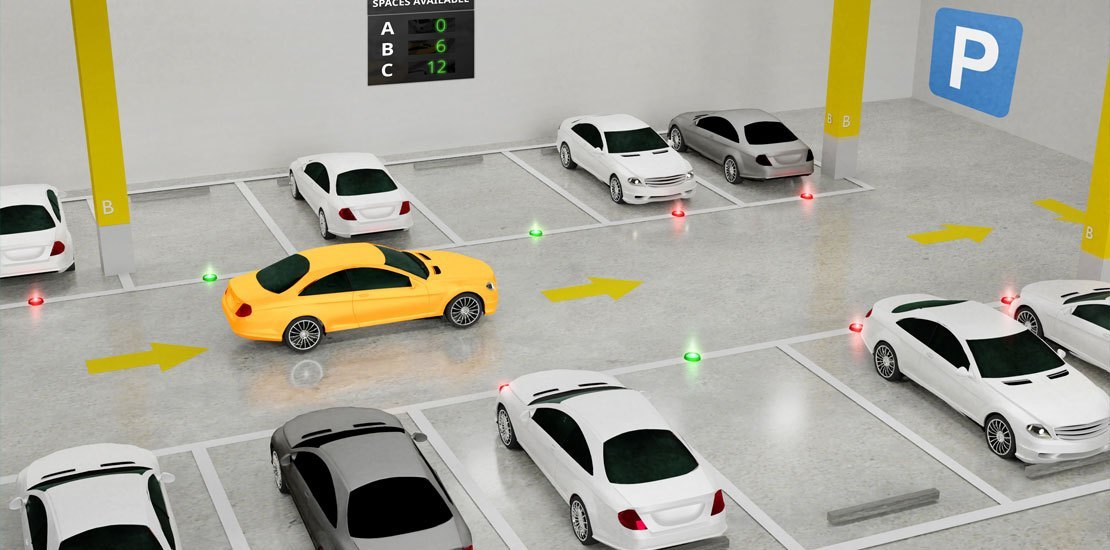
One of the most useful features of smart parking systems is real-time monitoring. Sensors installed in parking spaces can detect whether a spot is occupied or available. This information is then shared through digital displays or mobile platforms that guide drivers to open spaces.
Real-time monitoring helps reduce the time drivers spend searching for parking. It also reduces unnecessary traffic inside parking areas. By directing drivers to available spaces quickly, the system improves the overall parking experience.
Automated Entry and Exit Systems
Another important development in parking management is the use of automated entry and exit systems. These systems help control vehicle access without requiring manual supervision. Automated barriers and digital identification systems allow vehicles to enter and leave parking areas smoothly.
This process reduces waiting time and helps maintain better traffic flow. With better tracking, facility managers can improve security and manage parking operations more effectively.
Better Data and Parking Management
Smart systems also provide valuable data that helps improve parking management. By analysing parking usage patterns, facility managers can understand which areas are used most frequently and during what times.
Data-driven management helps ensure that parking areas are used efficiently and that drivers have a smoother parking experience.
Improving Safety and Convenience
Smart parking systems also improve safety and convenience. Better lighting systems, monitoring tools, and automated controls help create a safer environment for drivers and pedestrians. When parking areas are well managed and organised, the chances of accidents and confusion are reduced.
Drivers also benefit from the convenience of faster parking and clear guidance. This creates a more positive experience for people who use parking facilities regularly.
Conclusion
Smart systems are transforming parking management by making it more efficient, organised, and convenient. Technologies such as real-time monitoring, automated entry systems, and data analysis are helping facilities manage parking spaces more effectively.
