
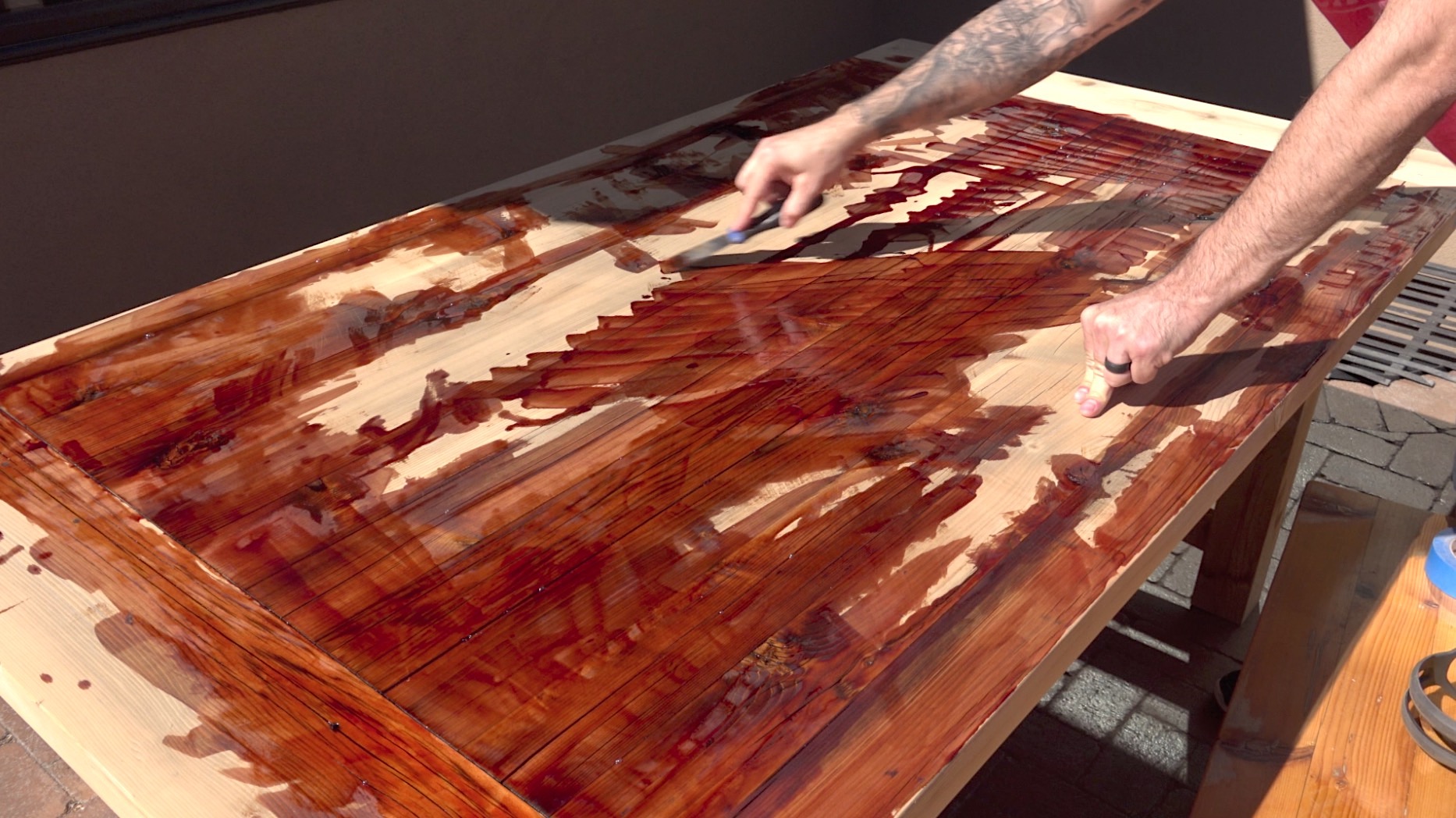
Outdoor wooden surfaces play an important role in home improvement projects by adding structural strength and visual balance to exterior spaces. These materials face constant pressure from sunlight, moisture, airflow, and surface contact, which slowly affects their condition. Without proper finishing, wood may fade, crack, or lose stability sooner than expected. Selecting the right finish helps preserve natural texture while improving resistance against daily exposure. A considerate technique for safety allows homeowners to increase material life, reduce restoration desires and keep reliable performance. Understanding end types, instruction methods, and care exercises helps higher decisions and long-lasting results for outdoor wood.
Wood Finish Basics
Outdoor finishes act as protective layers that support durability while improving surface strength. They limit moisture absorption, slow surface wear and enhance visual depth. In many home improvement projects, guidance from professionals becomes helpful after learning the fundamentals, and options such as staining services houston are often explored once homeowners understand how finishes interact with outdoor wood conditions. Finishes vary in texture penetration and surface coverage, making selection an important step. A suitable finish should match the wood type, exposure level and maintenance preference. Some finishes soak into fibers while others remain on the surface, forming a shield. Knowing these basics allows better alignment between protection goals and long-term upkeep.
Finish Categories
Different finish groups provide specific benefits based on wood exposure and desired results. Each option serves a clear purpose when applied correctly.
• Penetrating oils soak deeply, supporting flexibility and reducing surface cracking over time
• Transparent sealers preserve natural appearance while limiting water absorption effectively
• Semi-transparent stains enhance tone while allowing grain patterns to remain visible clearly
• Solid coatings cover surfaces fully, offering strong defense against heavy weather impact
Climate Influence
Environmental conditions directly affect how finishes perform outdoors. Sun intensity, moisture levels, and airflow patterns influence drying speed, adhesion, and longevity. Choosing finishes without considering exposure may lead to early wear.
Warm sunlight accelerates drying but may reduce absorption if applied incorrectly. Moist areas require finishes with strong water resistance. Wind exposure can cause uneven application. Understanding these influences supports better finish selection and application timing for consistent protection.
Preparation Steps
Before applying any finish, proper preparation ensures even coverage and longer-lasting results. Clean, smooth wood absorbs products more effectively and reduces peeling or patchiness.
• Cleaning removes dirt residue and surface growth that blocks proper finish absorption
• Sanding smooths rough areas, allowing uniform application across wooden surfaces
• Drying ensures internal moisture does not weaken finish’s bonding strength
• Surface inspection identifies cracks, gaps or damage needing correction beforehand
Application Methods
Applying finishes correctly improves durability and appearance. Technique timing and tools all influence outcome quality.
Brushes support controlled coverage while pads spread the finish evenly on flat surfaces. Thin layers absorb better than heavy coats. Allowing recommended drying time between applications prevents surface issues. Calm weather conditions help maintain consistent results and reduce contamination during curing.
Maintenance Routine
Ongoing care helps finishes perform as intended for longer periods. Small efforts reduce damage and maintain protection effectiveness.
• Regular inspections identify fading, peeling or surface dryness before deeper damage forms
• Gentle washing removes dust buildup that traps moisture against wood surfaces
• Spot reapplication restores protection in worn sections without full refinishing
• Seasonal checks align upkeep tasks with changing exposure conditions
Finish Longevity
The lifespan depends on product quality, exposure level and maintenance habits. Some finishes require annual attention while others last several seasons. Planning maintenance intervals prevents surface failure and structural weakness.
High traffic areas need more frequent care due to contact wear. Shaded surfaces often retain their finish longer. Understanding these patterns supports realistic expectations and effective long-term planning for outdoor wood protection.
Lasting Results
Choosing the proper finish requires balancing timber kind, exposure conditions, and renovation potential. Careful training, accurate software, and ordinary protection work together to protect outdoor wooden structures efficiently. When homeowners seek expert support after evaluating these factors, services like staining services houston help align finish choices with durability goals and surface requirements. Thoughtful decisions ensure outdoor wood remains strong, functional, and visually consistent over extended use.
