
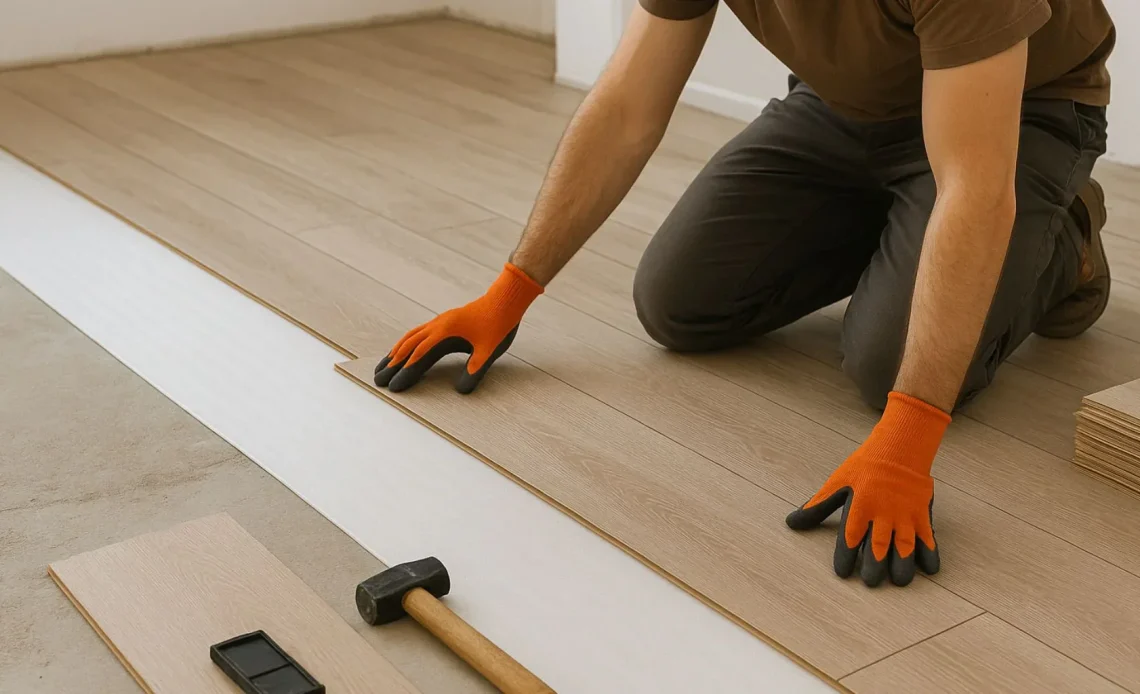
New flooring can completely change the way a Tampa home looks and feels, but the final result depends on much more than the flooring product itself. Many homeowners spend most of their time choosing color, style, plank size, tile design, or material type, but the real difference between a floor that lasts and a floor that fails often starts underneath the surface.
In Florida homes, flooring has to deal with conditions that are not always obvious at first glance. Concrete slabs can be uneven, moisture can move through the substrate, older thinset can remain after demolition, and small cracks or low spots can affect the way new flooring performs. When these issues are ignored, even good materials can begin showing problems too early.
That is why proper flooring installation in Tampa is not just about placing tile, LVP, laminate, or hardwood over an existing surface. It requires careful evaluation, preparation, and installation methods that match the home, the material, and the condition of the floor.
For homeowners planning a flooring project, working with a flooring installation contractor in Tampa can help reduce common problems such as movement, gaps, hollow spots, uneven transitions, cracked tile, and premature wear.
Why Floor Preparation Comes Before Installation
One of the biggest mistakes homeowners make is assuming that new flooring will hide old floor problems. In reality, new flooring often exposes those problems faster.
If the slab is uneven, floating floors may flex or separate. If old adhesive or thinset is left behind, the tile may not bond properly. If moisture is present, certain flooring materials may swell, cup, release, or shift. If cracks are not evaluated, movement can transfer into the new surface.
A good flooring installation starts before any material is installed. The existing floor needs to be checked for flatness, stability, moisture concerns, and surface contamination. In many Tampa homes, this step is especially important because concrete slabs can change over time due to settlement, previous remodeling, humidity, or poor earlier installation work.
When the floor is properly prepared, the finished surface usually looks cleaner, feels more solid, and performs better over the long term.
Why Installation Methods Should Never Be One-Size-Fits-All
No two homes are exactly alike, and the same flooring product should not automatically be installed the same way in every property. The age of the home, the condition of the concrete slab, previous flooring materials, and even the room’s purpose can all influence the installation process.
For example, a newly built home with a clean, level concrete slab may require very little preparation before installation begins. An older home, however, may have leftover adhesive, surface cracks, uneven areas, or previous repairs that need to be addressed first. Skipping these steps can affect the performance of the finished floor, regardless of how high-quality the flooring material may be.
Professional installers understand that successful flooring projects begin with evaluating existing conditions instead of following the same process for every home. Taking time to prepare the surface properly helps improve adhesion, minimize movement, and create a more durable finished floor that performs well for years.
Choosing the Right Flooring for Florida Conditions
Every flooring material has strengths, but choosing the right product also means considering how it will perform in Florida’s climate.
Porcelain tile remains one of the most popular options because it handles humidity well, is easy to maintain, and offers excellent long-term durability. Luxury vinyl plank (LVP) has also become a favorite thanks to its water resistance, comfortable feel underfoot, and wide range of modern designs. Laminate and hardwood can also be excellent choices when installed over a properly prepared and suitable subfloor.
The installation process should always match the flooring product. Different materials require different underlayments, expansion gaps, adhesives, and installation techniques. Skipping these details may not create immediate problems, but it can shorten the life of the floor and increase future repair costs.
Professional installers also know that every room should be evaluated individually. Kitchens, bathrooms, laundry rooms, and entryways often experience different levels of moisture and traffic than bedrooms or living areas. Adjusting installation methods to each space helps improve both durability and appearance.
Homeowners planning a renovation often find that working with experienced professionals from the beginning helps avoid expensive surprises later. Choosing flooring installation in Tampa means the project starts with evaluating the existing floor, identifying any preparation that may be needed, and installing the new flooring using methods designed for long-term performance rather than simply completing the job as quickly as possible.
Whether the project involves replacing outdated flooring throughout an entire home or updating a single room, careful planning and proper installation create results that continue to perform well for years after the renovation is complete.
Long-Term Value Comes from Quality Work
The cost of replacing a failed floor is almost always higher than investing in proper installation the first time. Removing damaged flooring, repairing the substrate, purchasing new materials, and reinstalling everything can quickly become far more expensive than doing the job correctly from the beginning.
Professional flooring installation is about more than appearance. It helps create a surface that performs reliably under everyday use while reducing the risk of avoidable repairs caused by poor preparation or incorrect installation techniques.
For Tampa homeowners, this is especially important because Florida’s climate places additional demands on flooring systems. Moisture, seasonal humidity, and concrete slab conditions all influence how flooring performs over time. When these factors are considered before installation begins, homeowners can enjoy better durability, improved comfort, and greater confidence in their investment.
Taking the time to evaluate the subfloor, prepare the surface correctly, and install flooring according to manufacturer recommendations helps protect both the flooring material and the home’s value for years to come.
A well-installed floor should feel solid underfoot, maintain its appearance through everyday use, and continue performing long after the installation is complete. Choosing experienced professionals who understand local building conditions gives homeowners the best opportunity to achieve those results while avoiding many of the common flooring problems that develop after rushed or incomplete installations.
